
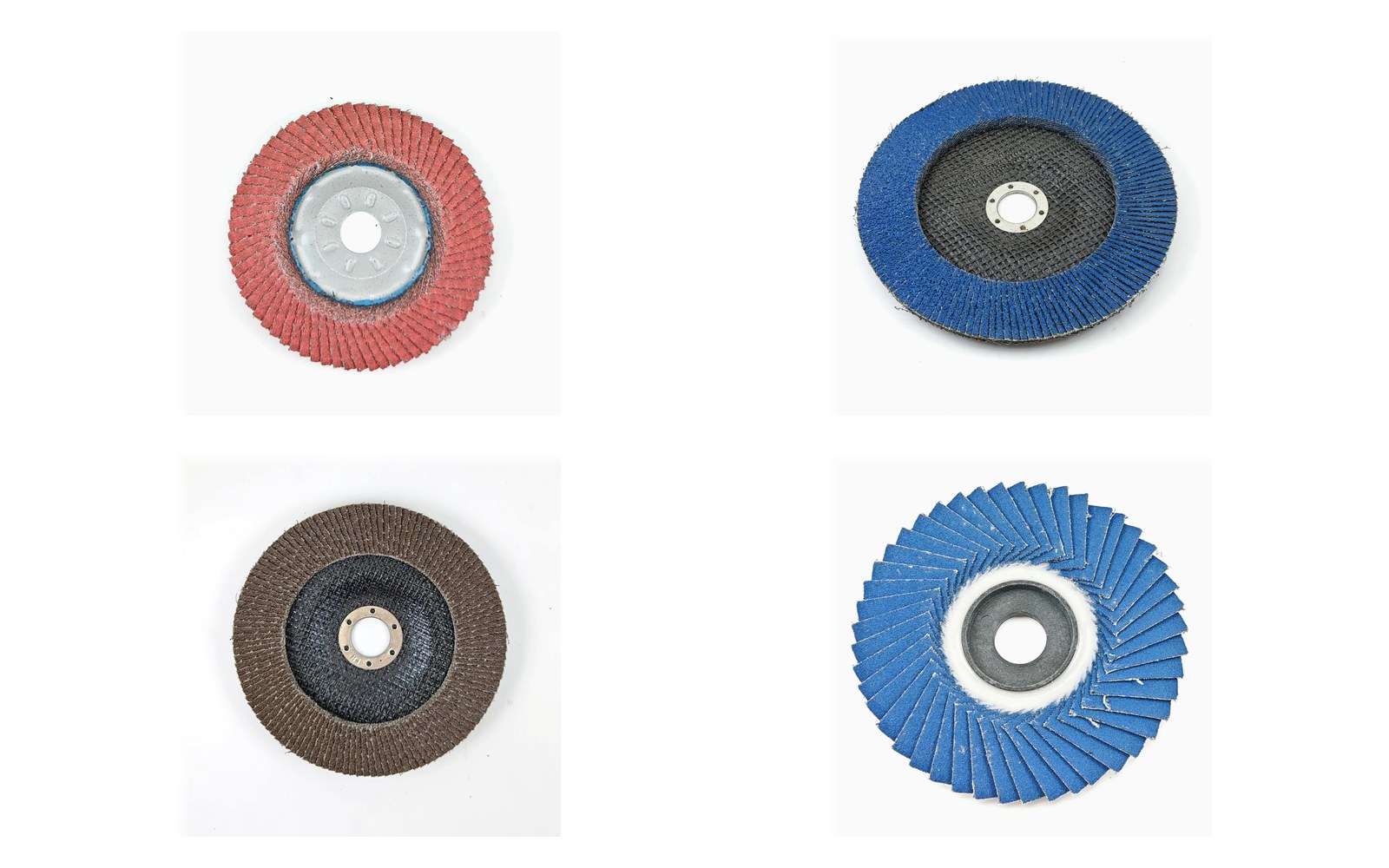
Flap discs all look similar on a shelf, but the backing, the flap layout and the abrasive grain decide whether a disc blends a weld cleanly or just makes heat. This guide separates the variables so you can specify a disc from the workpiece backwards.
Backing: what the plate does
The backing controls support and heat. A formed metal backing is the most rigid option — see Red Metal-Backed Flap Disc — and it holds a defined grinding angle on flat stock. A reinforced composite backing, such as Brown Reinforced Abrasive Flap Disc, absorbs vibration over long passes and is more forgiving on thin material. A ventilated or coloured backing, as on Blue Flap Disc with Orange Backing, helps move air and heat away from the contact zone.
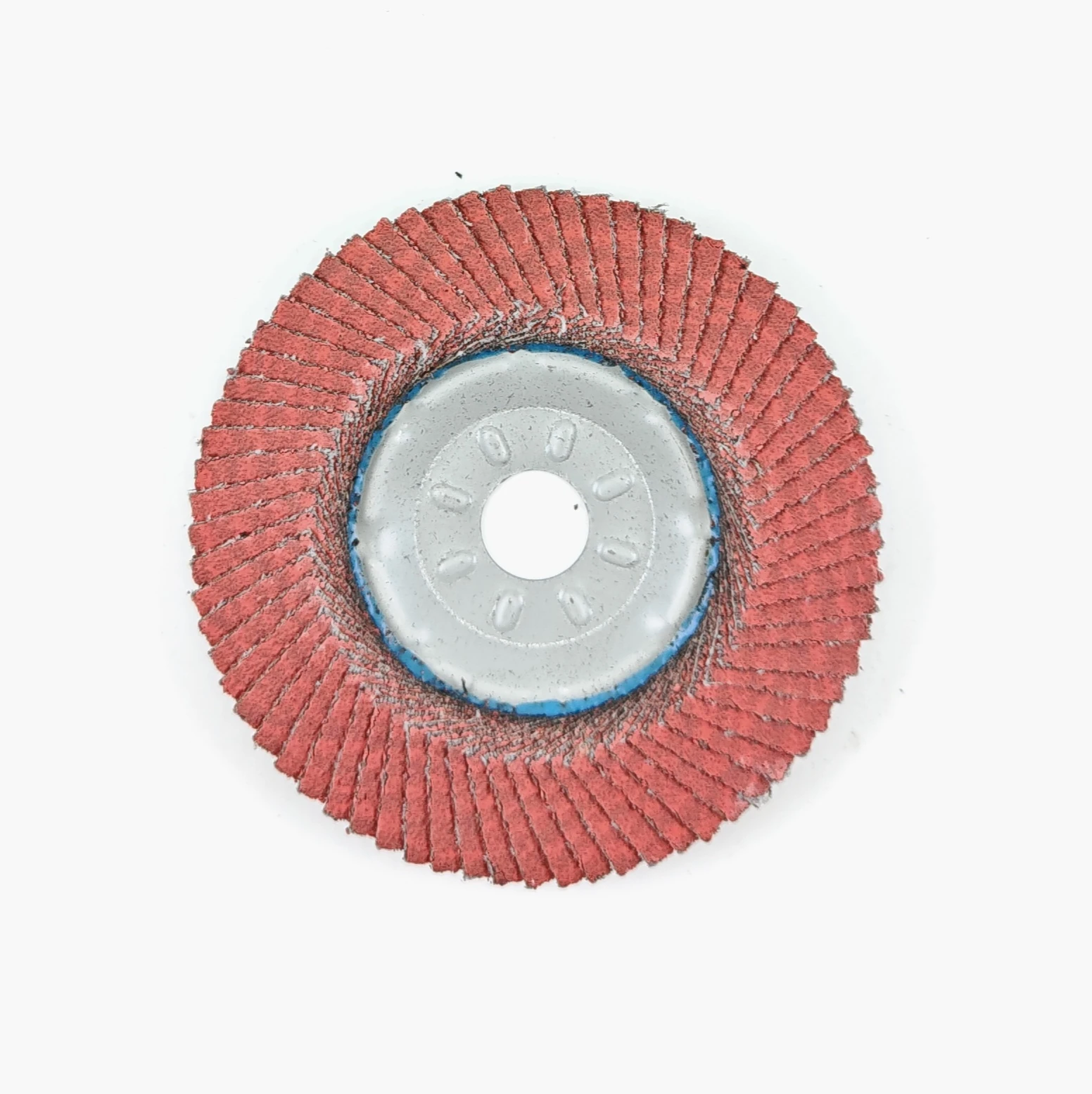
| Backing type | Behaviour | Best for |
|---|---|---|
| Formed metal | Rigid, defined cut | Flat plate, heavy weld removal |
| Reinforced composite | Damped, forgiving | Long passes, thin material |
| Flat cloth layout | Even contact | Panels and broad surfaces |
| Radial wheel layout | Follows shape | Contours, tubes, internal forms |
Layout: flat disc or radial wheel
A flat flap disc presents an even face to the workpiece: Brown Flat Abrasive Flap Disc is the plain example, with Blue Abrasive Flap Disc, Green Abrasive Flap Disc, Brown Abrasive Flap Disc and Red Abrasive Flap Disc covering the standard grit and colour range. A radial flap wheel mounts differently — the flaps stand out from the hub, so the tool wraps into concave shapes instead of riding on their edges: Gray Radial Abrasive Flap Wheel and Blue Radial Abrasive Flap Wheel are the two options here.
Match grit to the material and to the next step
On mild steel, a coarse disc such as Red-Brown Abrasive Flap Disc removes weld and scale quickly, but it leaves a pattern the polishing stage must erase — so stop as soon as the defect is gone and step down. On stainless and aluminium, heat control matters more than speed: use a finer grit, light pressure and a clean disc that has not seen carbon steel. Where the next step is buffing, the last preparation grit is the one that decides how much polishing you will do.
Cutting and separating
Cutting is a different job from preparation and needs its own consumable: select by material, disc diameter, bore, machine and the marked maximum speed. Secure the work, use the guard, and never exceed the rating printed on the wheel.
Specify it in one line
When you send an enquiry, give us the substrate, the operation (cutting, weld blending, rust removal, fine preparation), the disc diameter and bore, the grit you use today, the quantity and the destination. That is enough to quote the right construction rather than a generic disc.
Not sure which item fits your line? Send the workpiece material, the starting surface, the target finish, machine type and speed, plus the quantities you need — request a quote and we will come back with a matched combination and lead time.
Always follow the machine manual and the safety information supplied with the product, and wear appropriate eye, hand, hearing and respiratory protection.
Related WanHu products
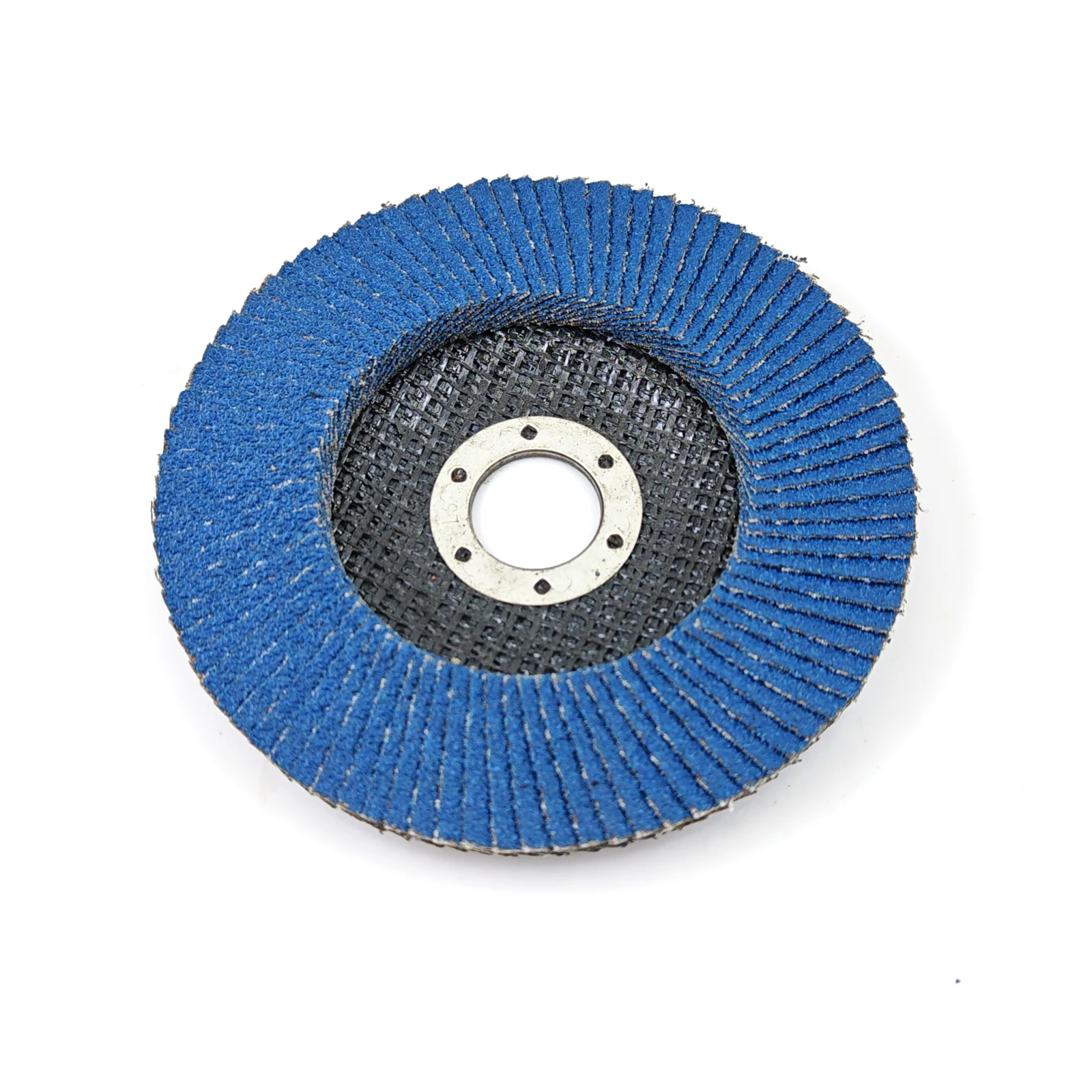 Blue Abrasive Flap Disc
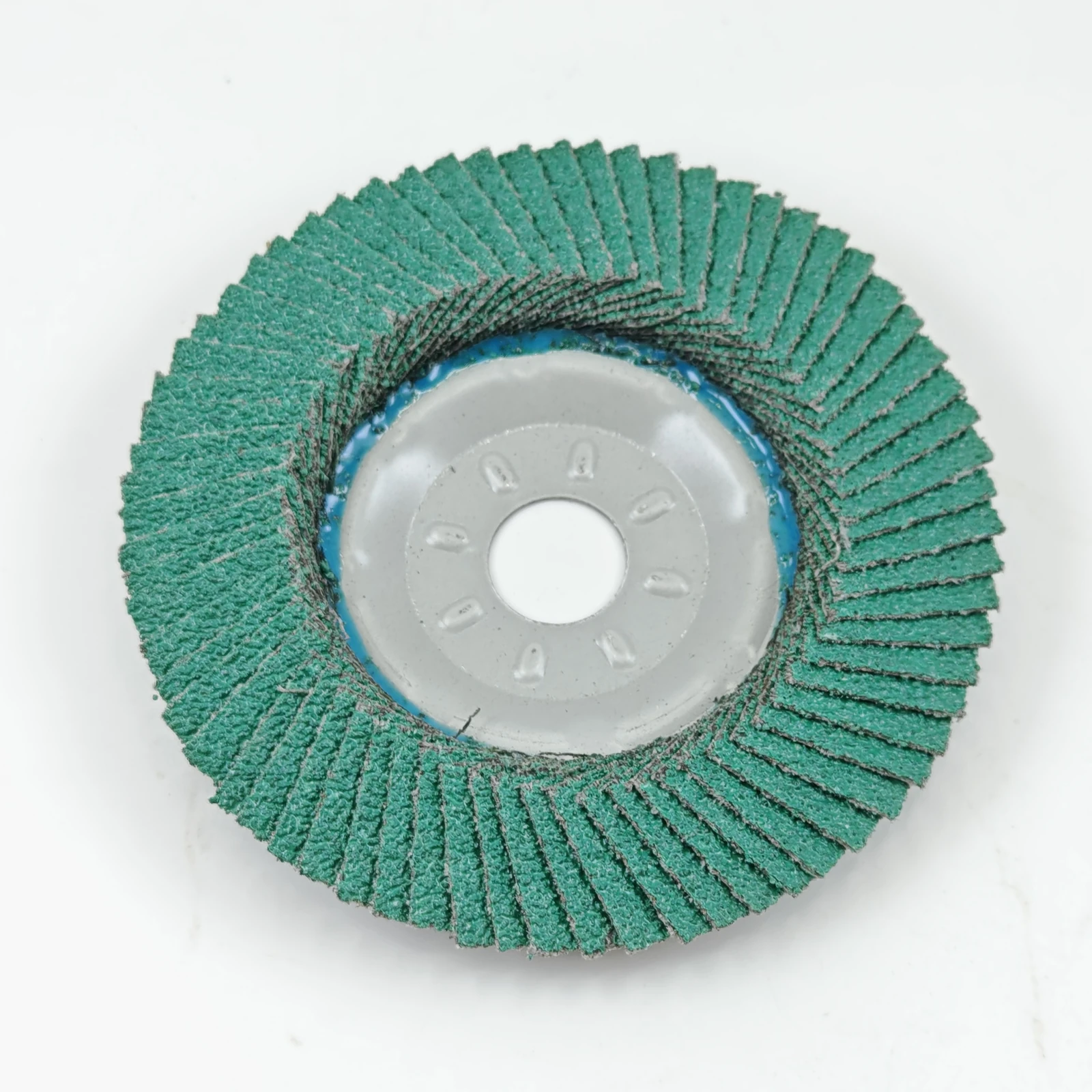 Green Abrasive Flap Disc
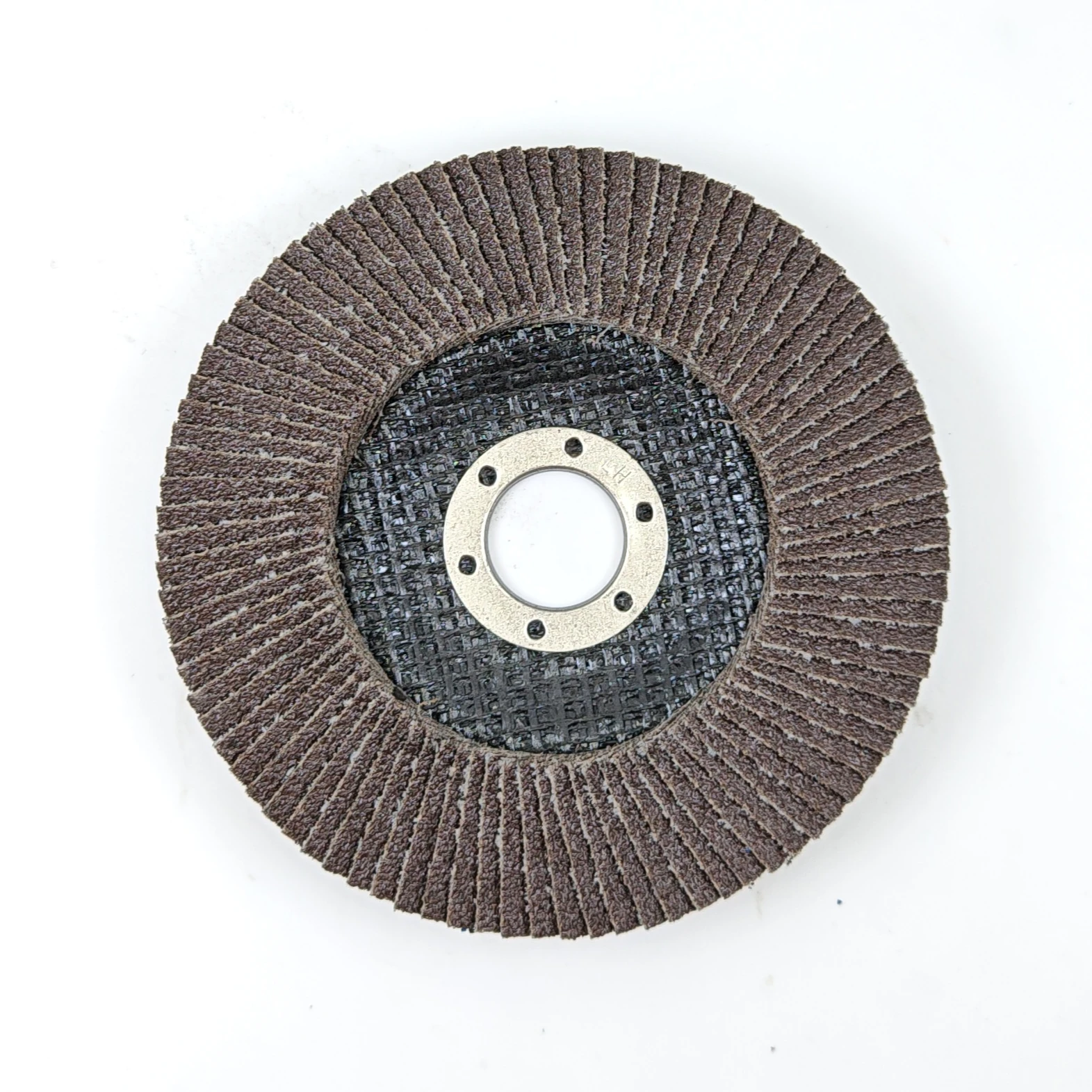 Brown Abrasive Flap Disc
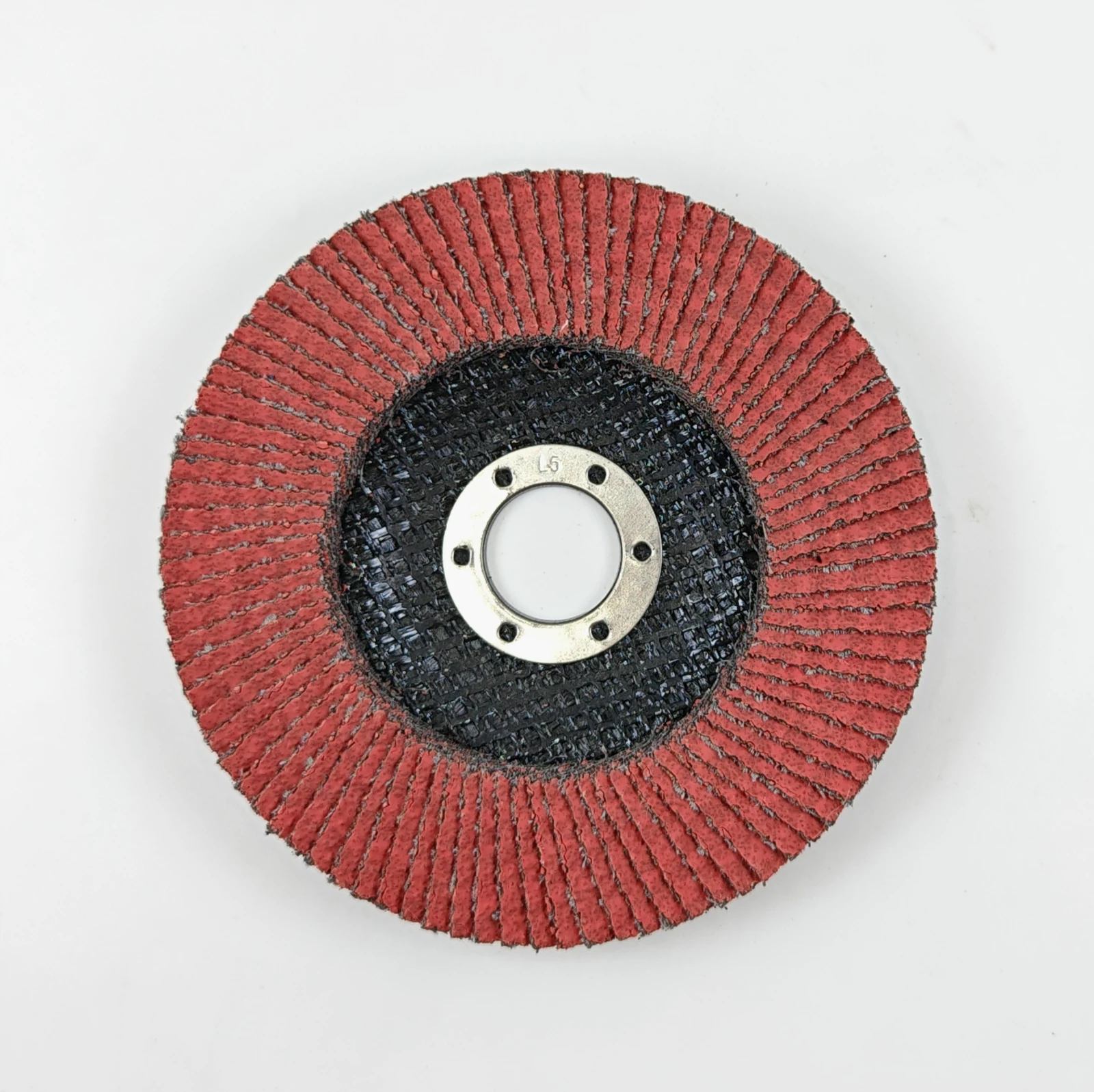 Red Abrasive Flap Disc
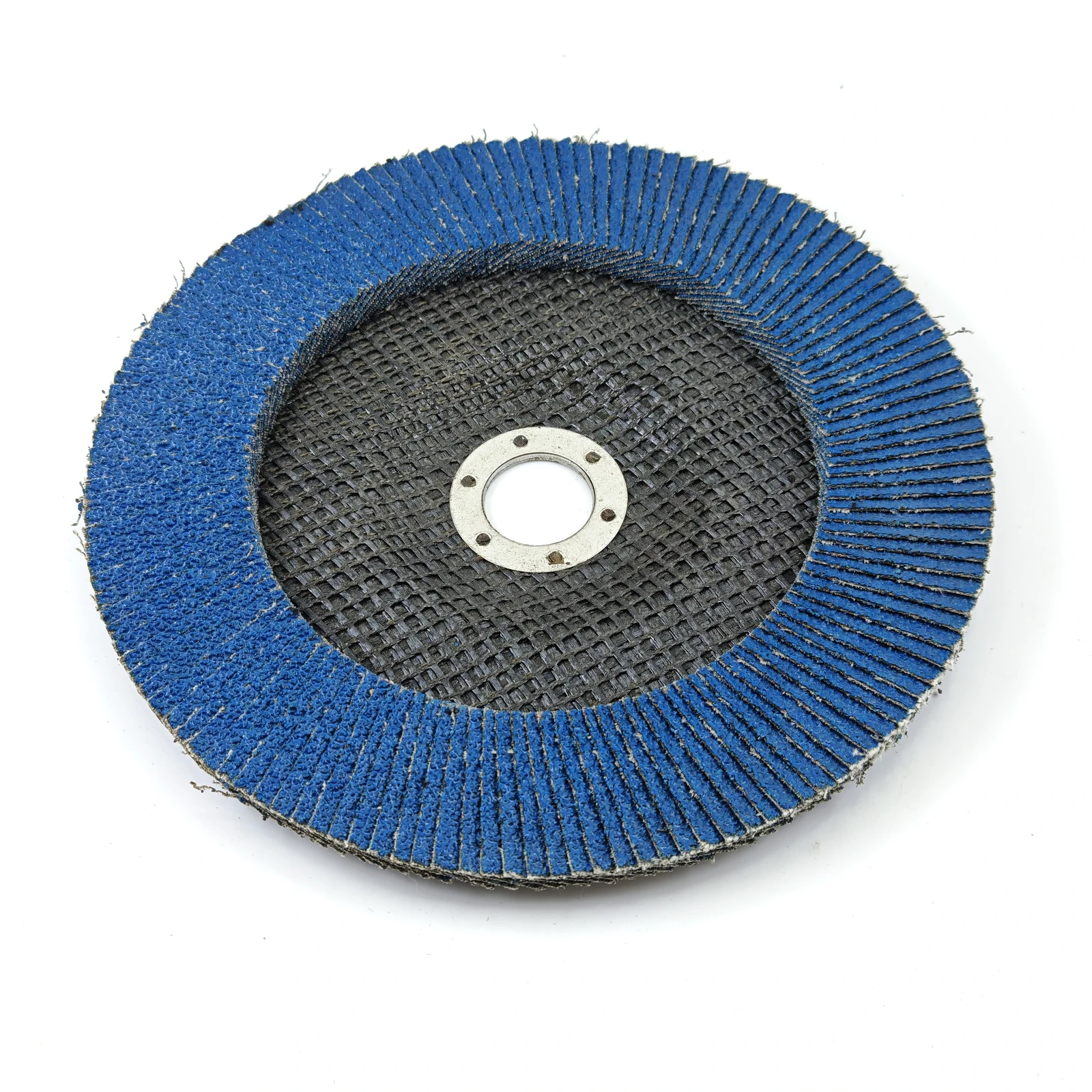 Blue Flap Disc with Black Backing
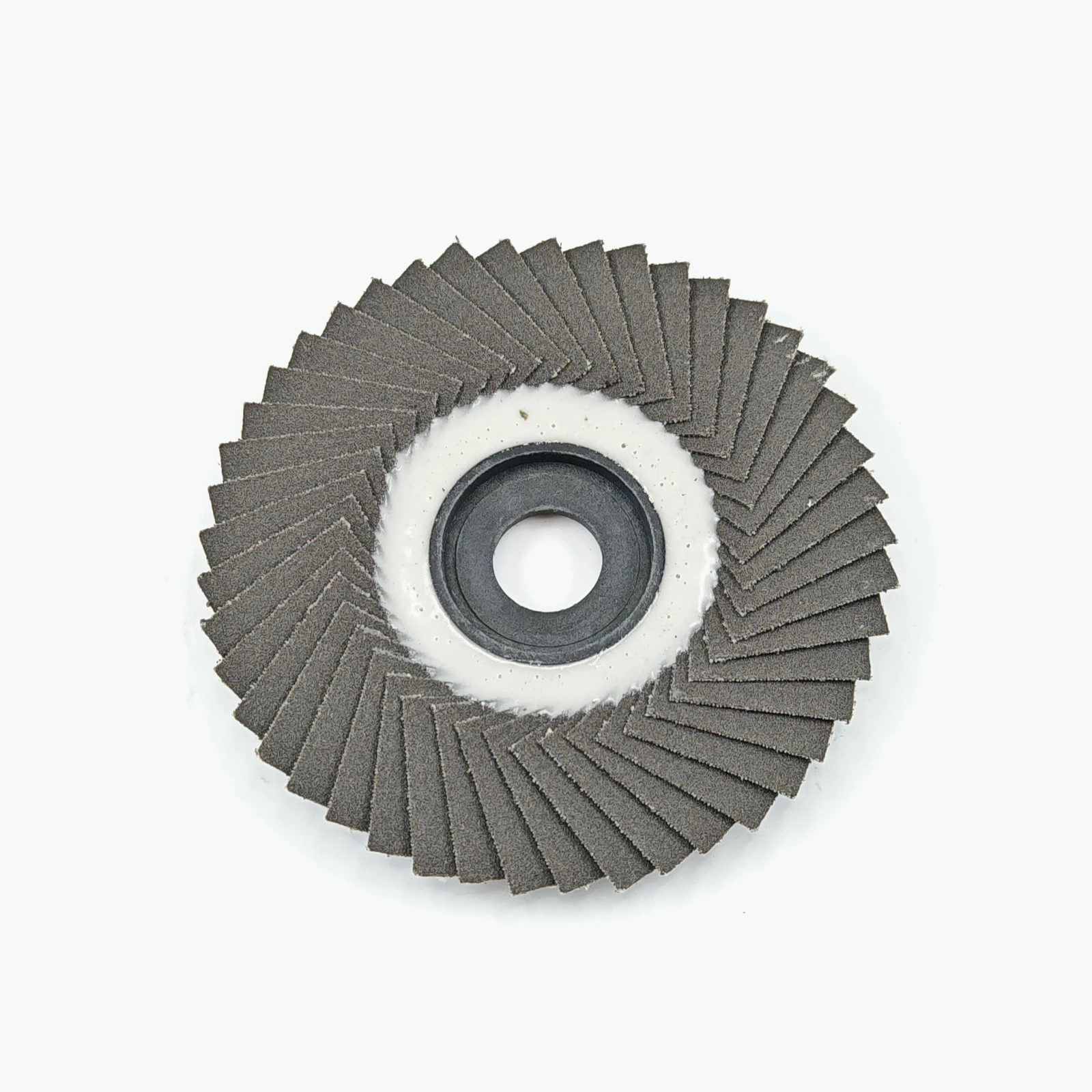 Gray Radial Abrasive Flap Wheel
- Red Metal-Backed Flap Disc
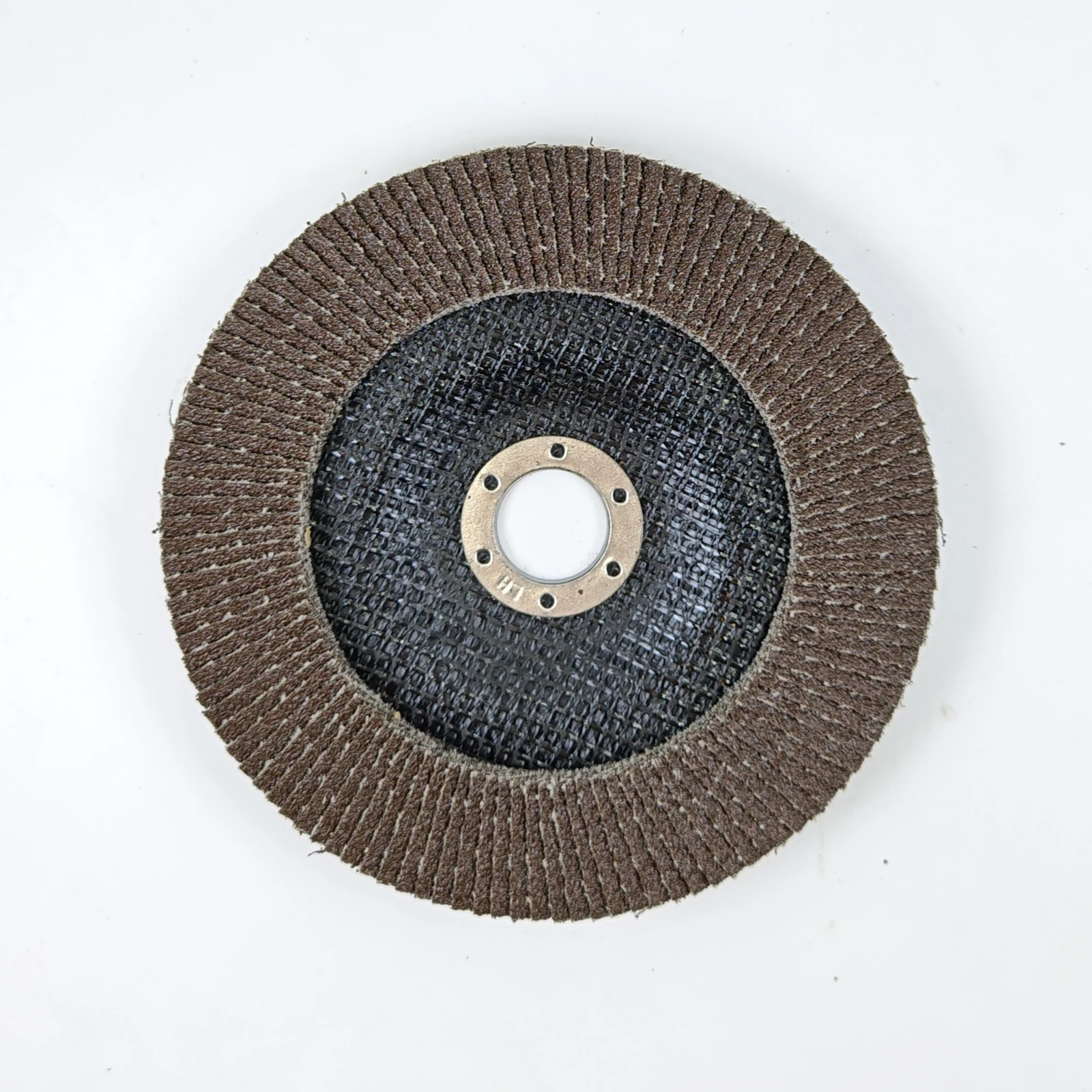 Brown Flat Abrasive Flap Disc
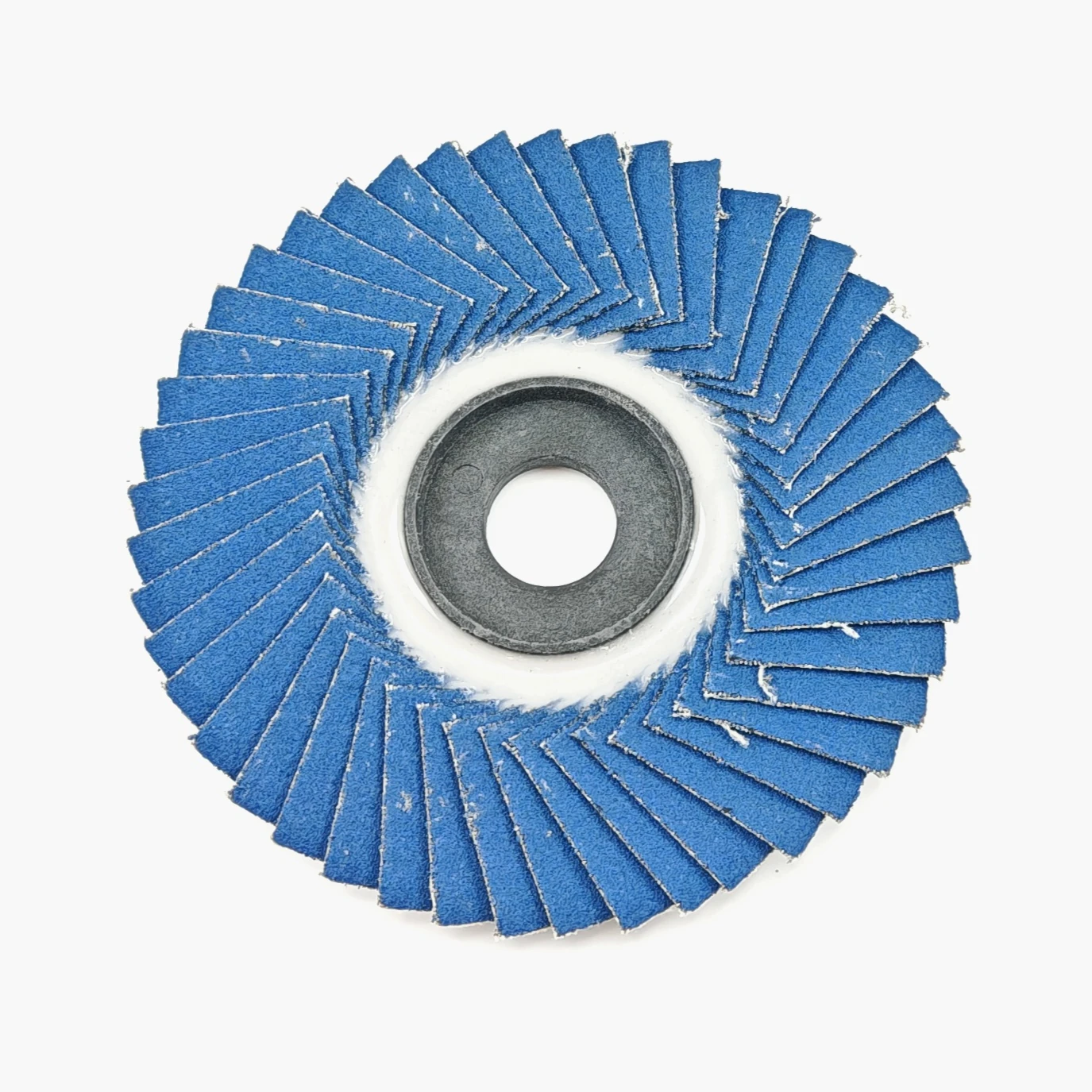 Blue Radial Abrasive Flap Wheel
Discussion