
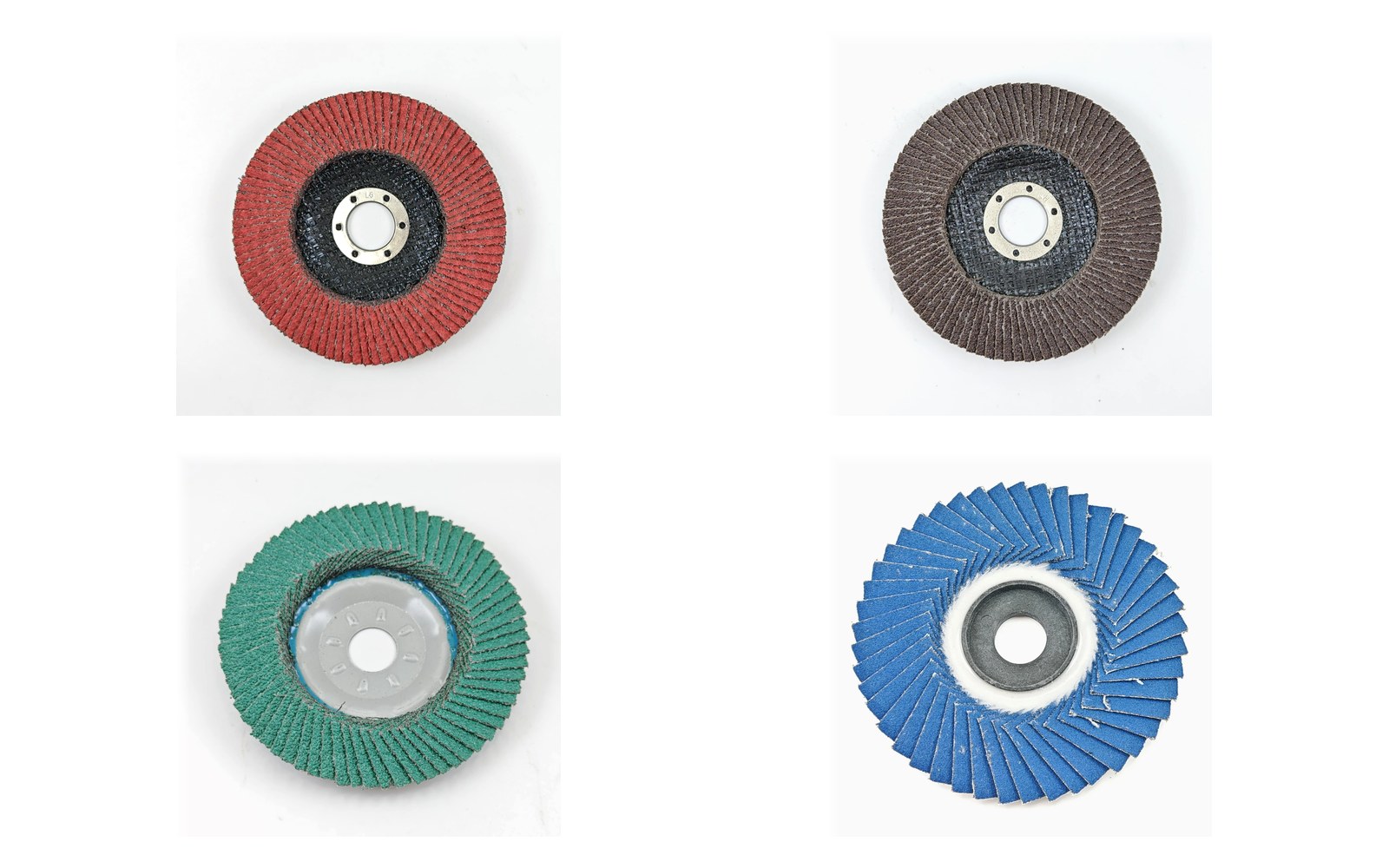
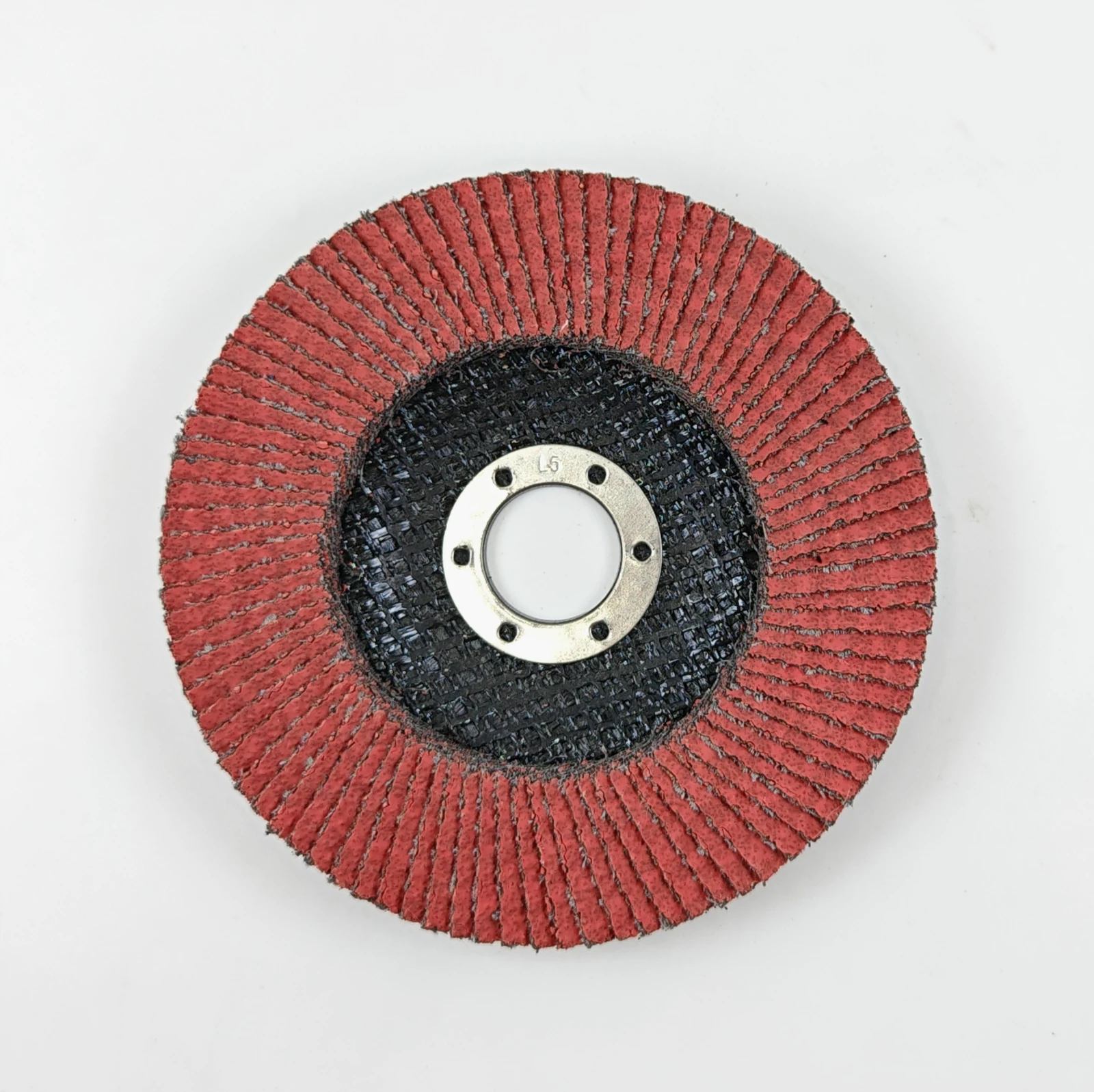
A flap disc is overlapping abrasive cloth bonded to a backing plate. As the flaps wear, fresh abrasive is exposed, so the disc keeps cutting instead of glazing — which is why it has largely replaced rigid fibre discs for weld blending, burr removal, rust removal and general preparation. Getting the grit and the profile right is what keeps the next stage short.
Choose grit by what happens next
Coarse abrasive removes stock quickly but leaves a scratch pattern the polishing stage then has to erase. Fine abrasive removes less and leaves a surface that needs less corrective work afterwards. The right starting point is the least aggressive grit that still does the removal efficiently. Discs such as Brown Abrasive Flap Disc and Red Abrasive Flap Disc cover everyday blending, while Red-Brown Abrasive Flap Disc suits heavier stock removal on fabricated steel.
| Stage | What you are doing | Practical check |
|---|---|---|
| Coarse preparation | Removing weld height, scale, heavy rust | Stop as soon as the defect is gone |
| Intermediate | Blending the coarse scratch pattern | Scratches should look uniform under raking light |
| Fine preparation | Getting ready for buffing | Surface should be even enough that one compound pass is enough |
Flat or conical, and what the backing does
A flat profile gives controlled contact over broad surfaces — Brown Flat Abrasive Flap Disc is the straightforward choice for panels. A conical or angled profile reaches into weld seams, corners and shaped components. The backing matters as much as the flap: a rigid backing holds a defined grinding action, as on Red Metal-Backed Flap Disc, while a reinforced construction such as Brown Reinforced Abrasive Flap Disc absorbs more vibration on long passes. For contours and internal forms, a radial wheel — Blue Radial Abrasive Flap Wheel or Gray Radial Abrasive Flap Wheel — follows the shape instead of digging into it.
Run a repeatable sequence
- Inspect the part and decide how much material actually has to come off.
- Pick the least aggressive grit that will do it, and confirm the disc diameter, bore and machine speed rating before mounting.
- Keep the contact angle steady and let the abrasive work — excess pressure adds heat and discolours the metal.
- Inspect the scratch pattern before changing grit. Moving on too early costs more time than it saves.
- Hand over to the buffing stage only when the surface is even.
Where the disc sits in the full workflow
Preparation is a means, not an end: the disc exists to make the polishing step short and predictable. If you are spending longer on colouring than on preparation, the grit sequence is worth revisiting before you change anything else.
Not sure which item fits your line? Send the workpiece material, the starting surface, the target finish, machine type and speed, plus the quantities you need — request a quote and we will come back with a matched combination and lead time.
Always follow the machine manual and the safety information supplied with the product, and wear appropriate eye, hand, hearing and respiratory protection.
Related WanHu products
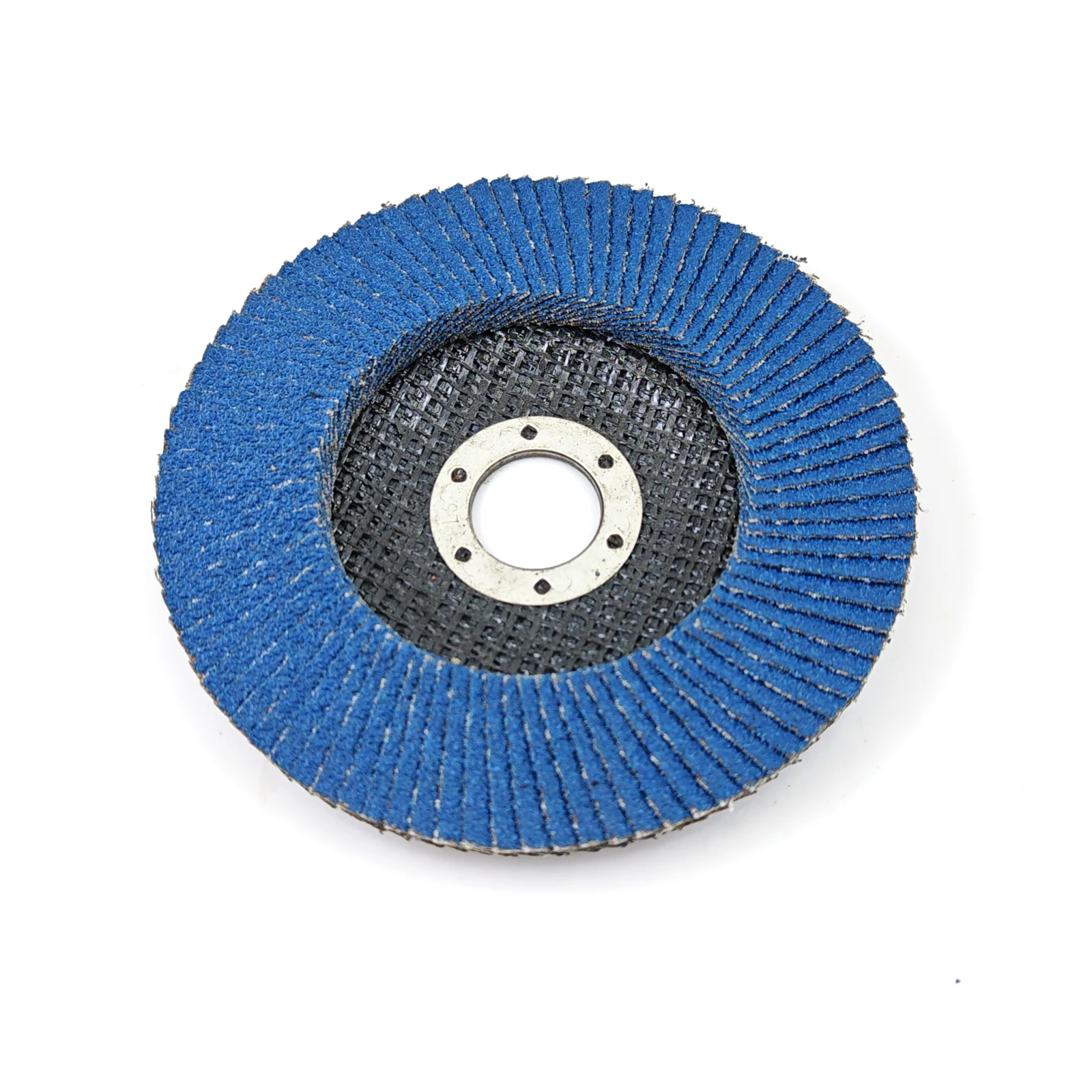 Blue Abrasive Flap Disc
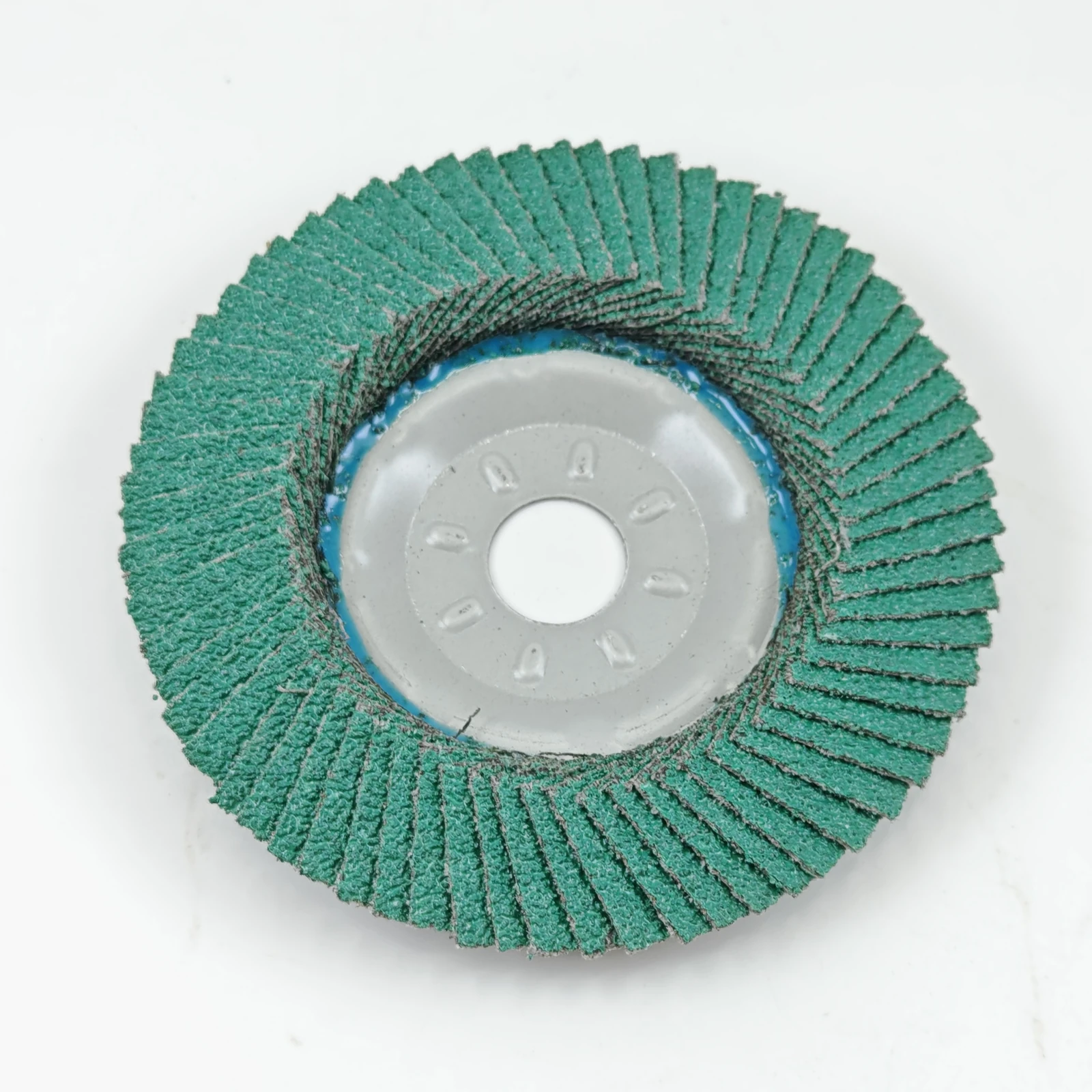 Green Abrasive Flap Disc
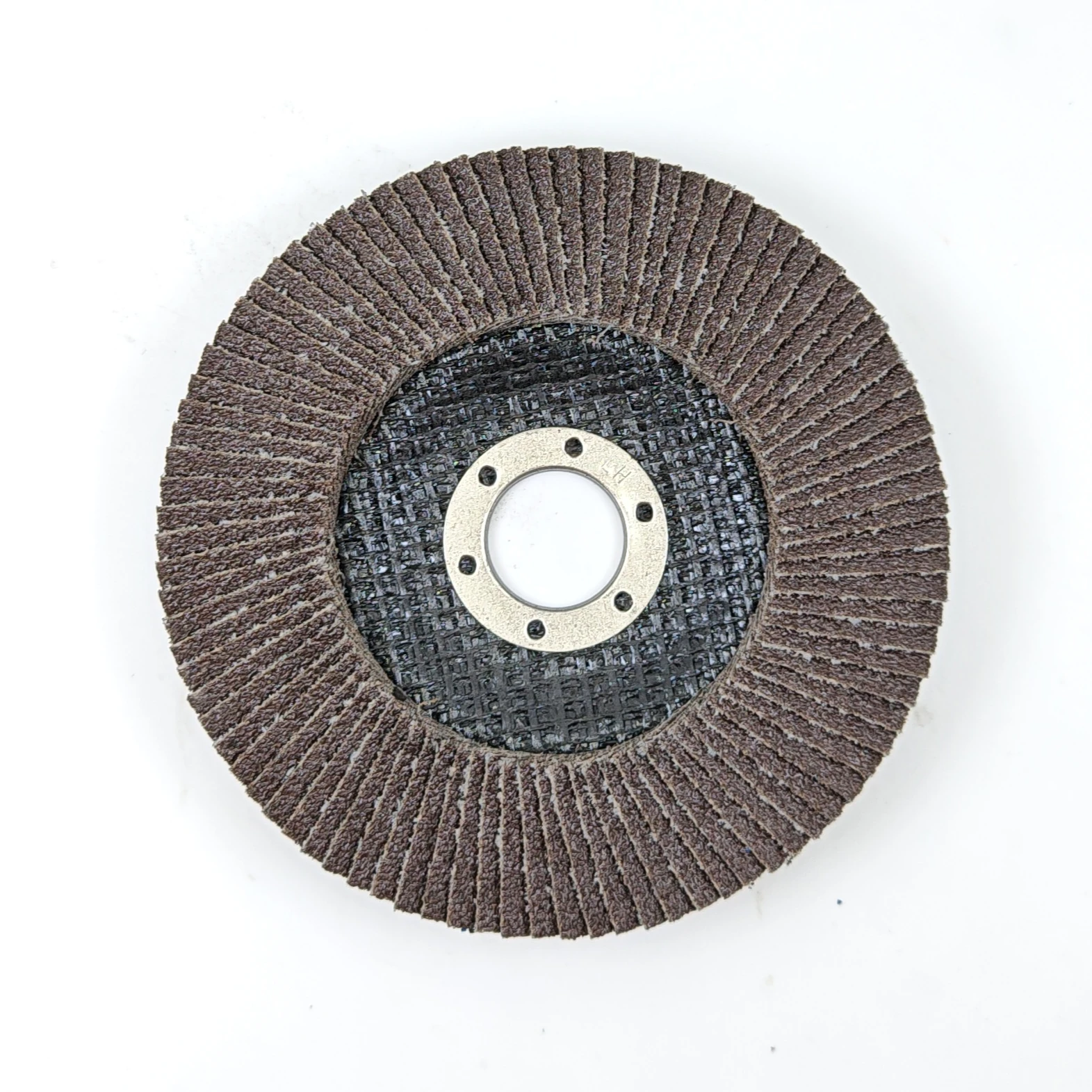 Brown Abrasive Flap Disc
- Red Abrasive Flap Disc
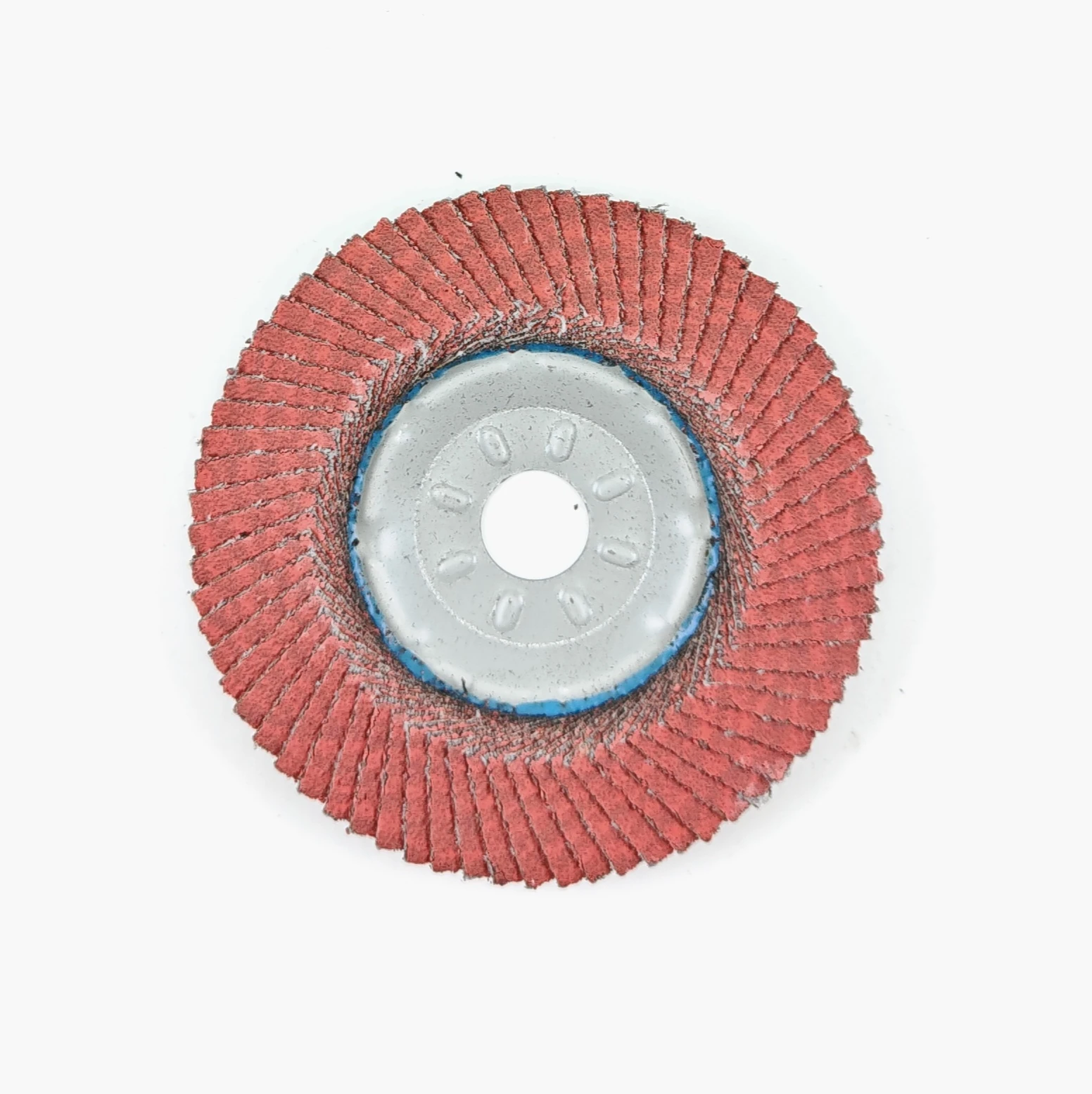 Red Metal-Backed Flap Disc
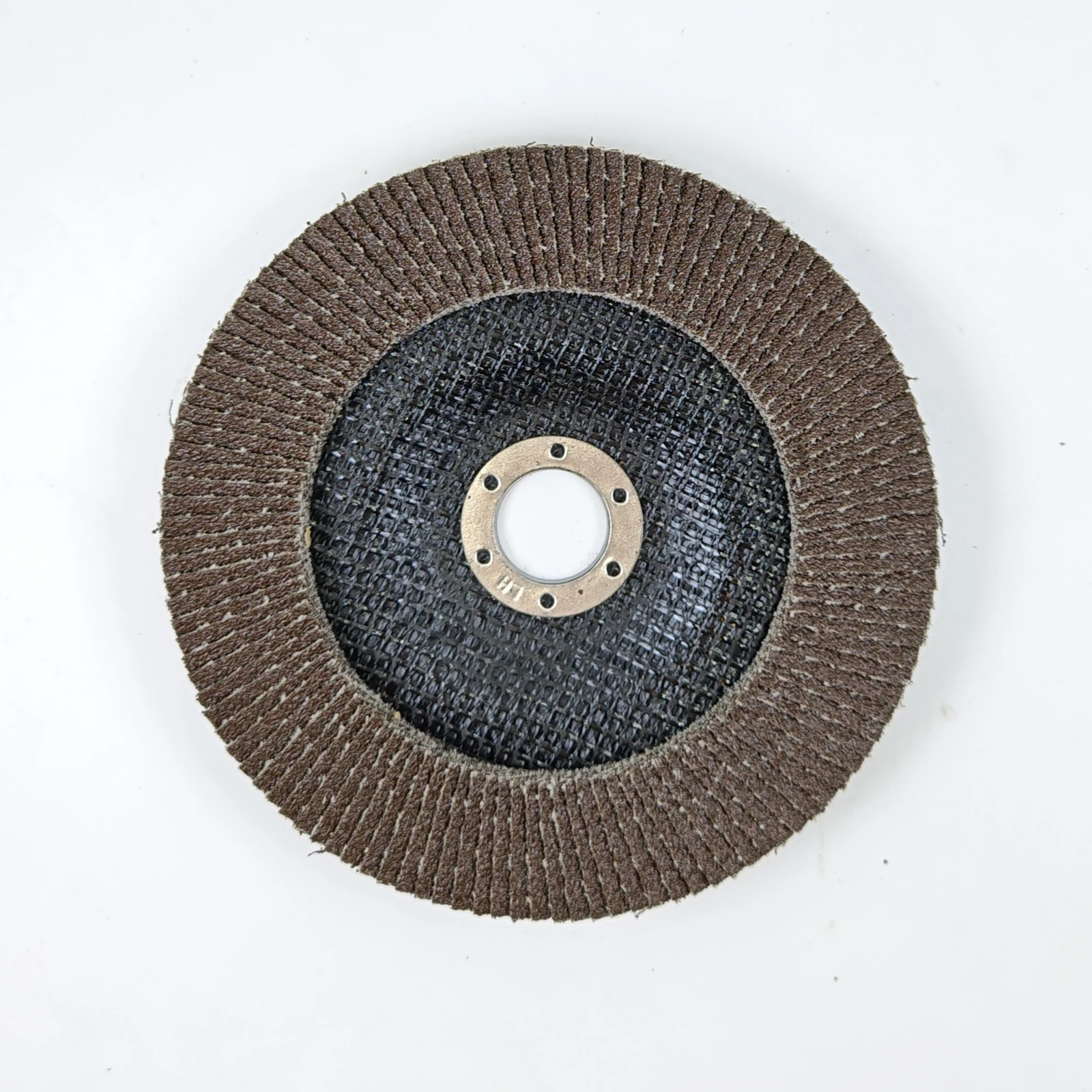 Brown Flat Abrasive Flap Disc
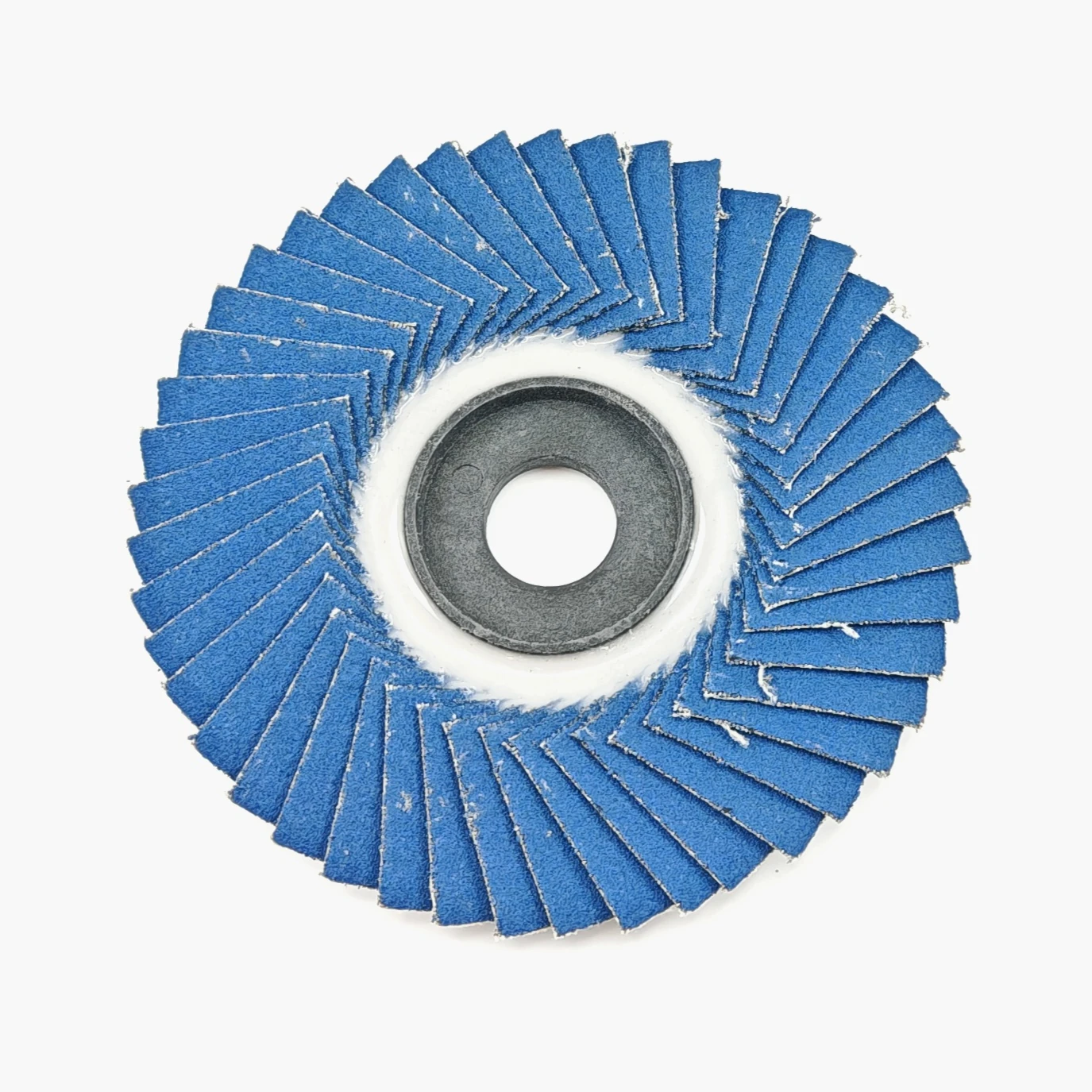 Blue Radial Abrasive Flap Wheel
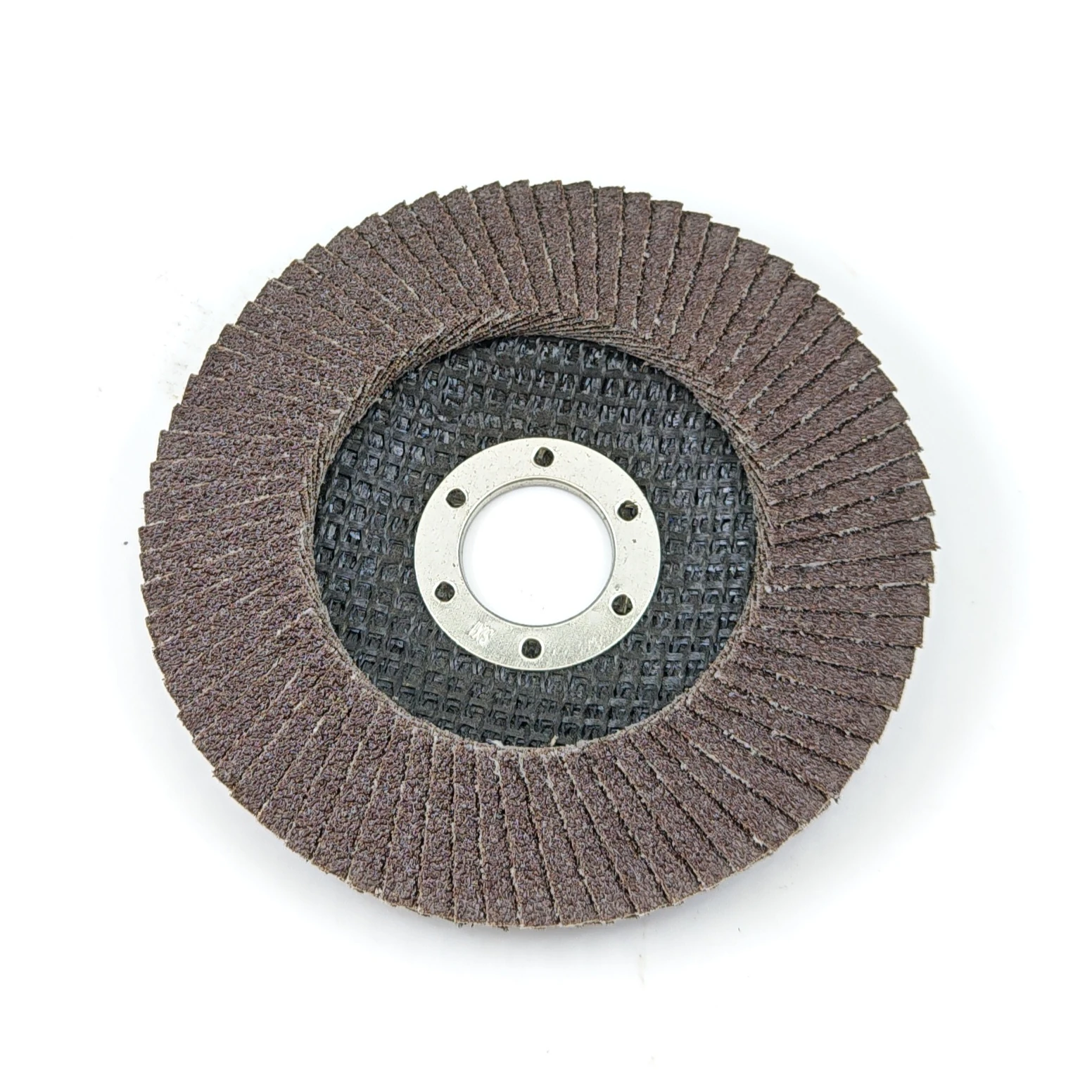 Brown Reinforced Abrasive Flap Disc
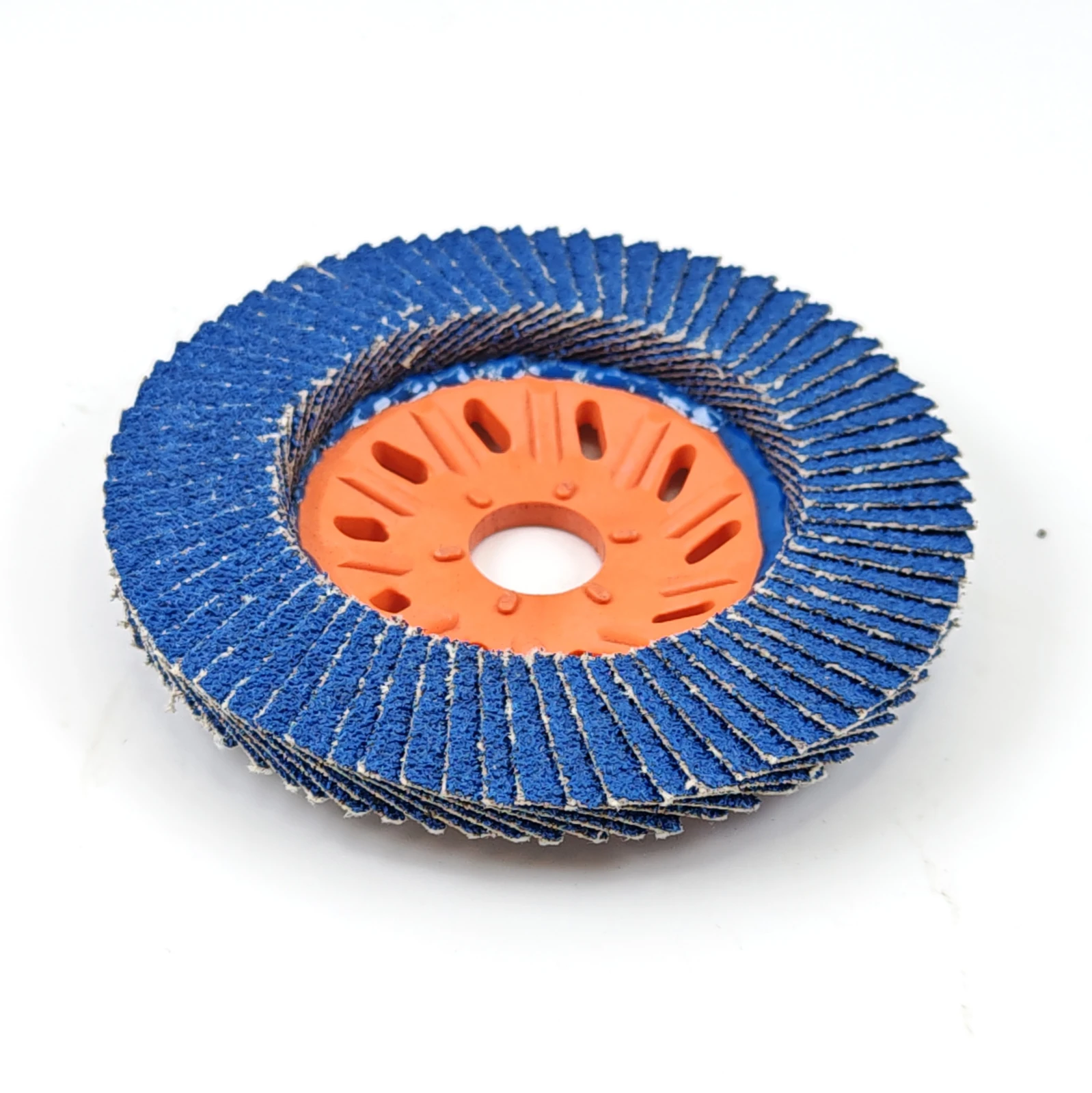 Blue Flap Disc with Orange Backing
Discussion