
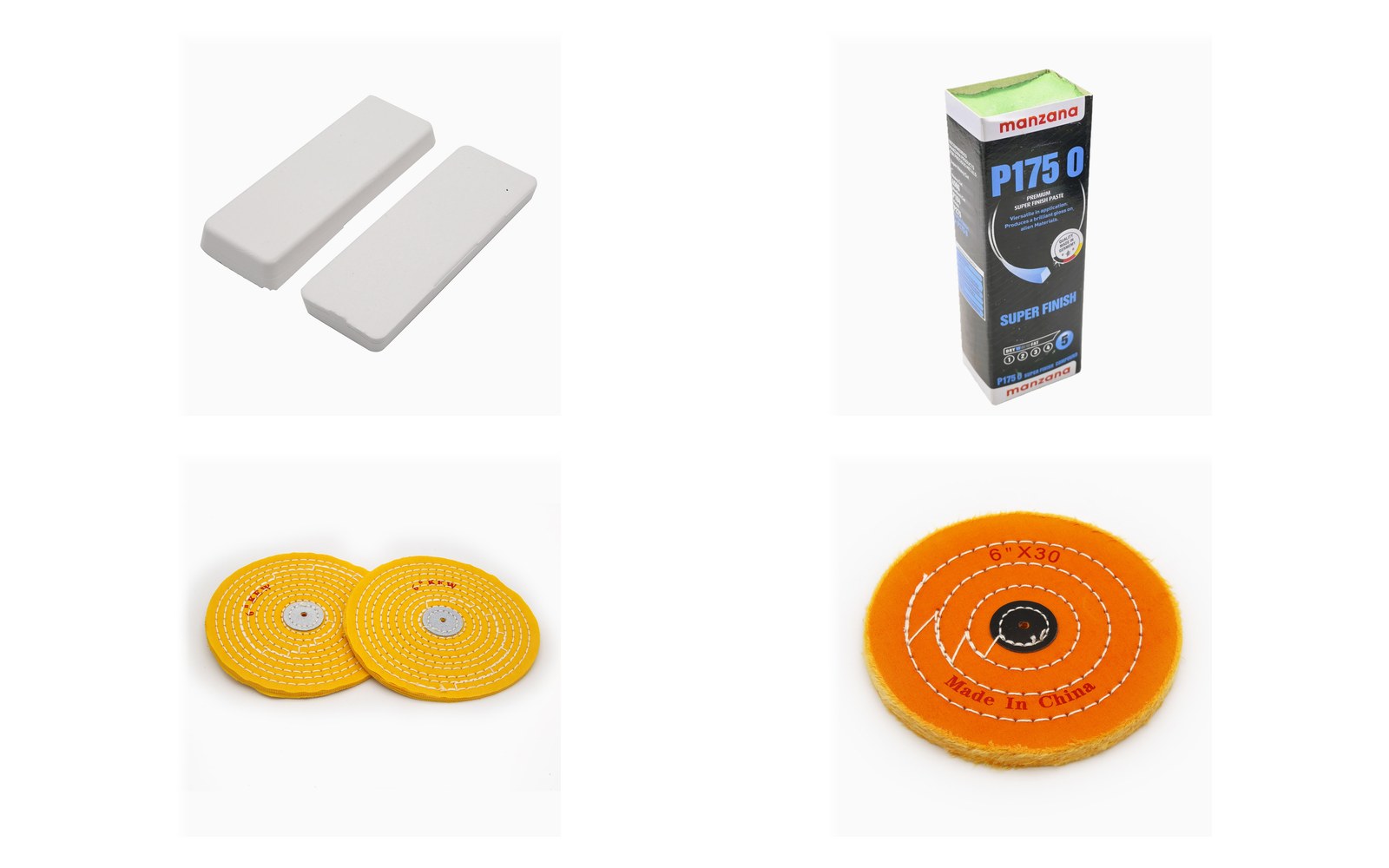
Polishing compound and buffing wheel are one system. The compound supplies the abrasive and the lubrication; the wheel decides how that abrasive is presented to the surface. Pick either one in isolation and the result will drift from batch to batch. Pick them together and a two-stage process — cut, then colour — becomes predictable enough to hand to any operator on the line.
Separate the cutting stage from the colouring stage
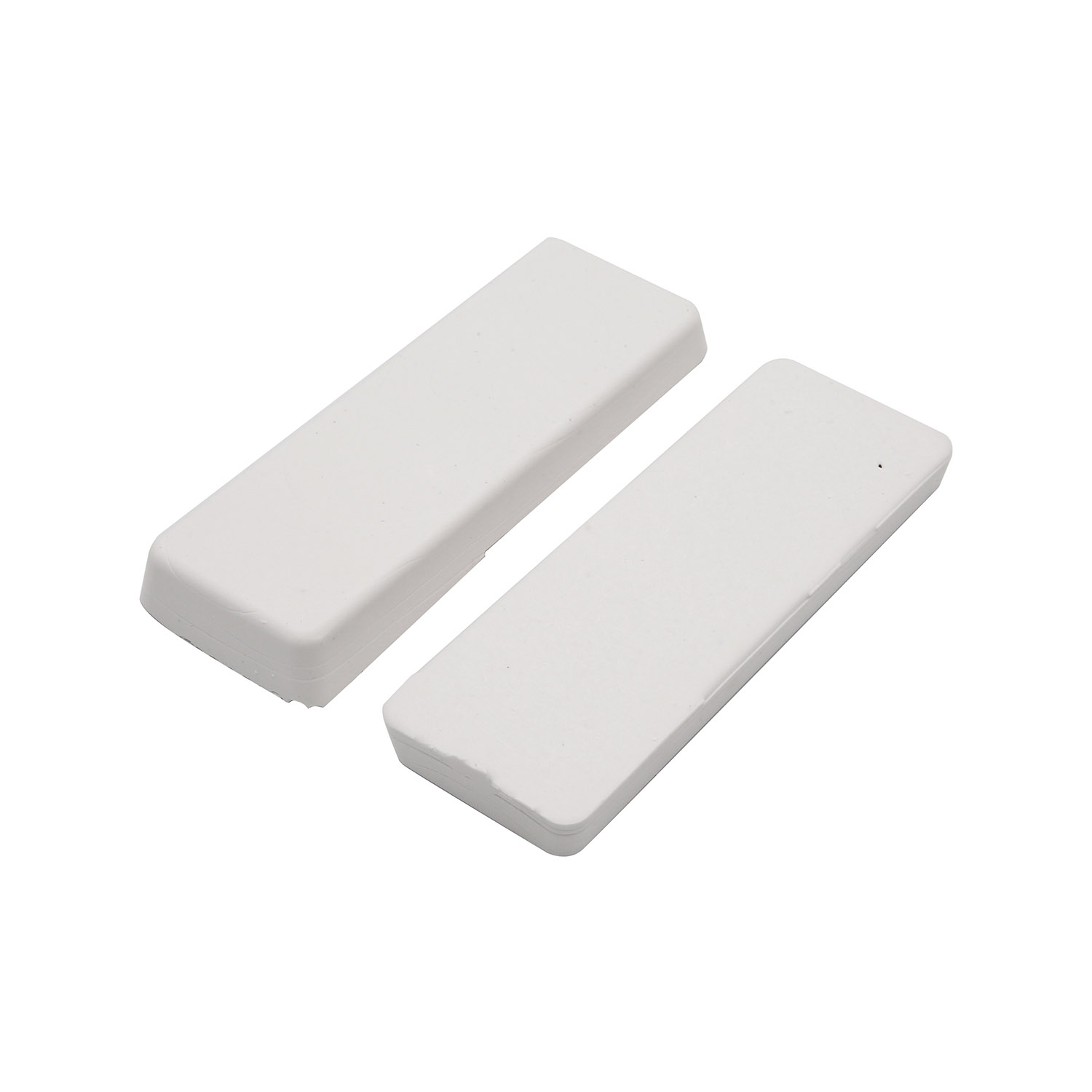
The first polishing stage has to remove the scratch pattern left by grinding. That calls for a firmer wheel and a more aggressive bar. The second stage is not removing material so much as raising brightness, and it needs a softer wheel with a finer compound. WanHu supplies the two ends of that spectrum: Polishing Compound Bars White / Red / Green covers white, red and green bars in one set, while Green Solid Polishing Compound and White Solid Polishing Compound are single-colour bars for shops that have settled on a grade. The Blue P175 Solid Polishing Compound and Yellow Buffing Wheel Polishing Compound round out the range for specific workpiece materials.
Colour is a shop convention, not a universal grade
Compound colour is useful for keeping wheels and bars apart on the bench, but it is not a standardised grit rating across manufacturers. Choose by the stated purpose and by a trial on your own material. What matters more than colour is that you never carry compound from one stage into the next: a wheel that has seen cutting compound will re-scratch a surface you have already coloured.
Match the wheel to the compound
Firm, sewn wheels work with cutting compounds because they hold the abrasive at the surface instead of absorbing it — Yellow Cotton Buffing Wheel 6″x50Ply Ø150mm×12mm Spiral-Sewn is the usual partner for a first pass. Soft plain wheels such as White Cotton Buffing Wheel 6″x50Ply Ø150mm×12mm with Leather Centre spread colouring compound evenly and leave a cleaner brightness. Harder materials respond to Black Hard Canvas Buffing Wheel, and where you need more bite than cotton gives, Indigo Denim Buffing Wheel Spiral-Sewn in denim is worth a trial. Whatever you choose, mark the wheel and store it away from dust and loose abrasive.
Control how much compound you load
Apply compound in small, regular touches while the wheel is running, following the machine and product instructions. A loaded wheel face throws residue, heats the part and loses control; a starved wheel glazes and burns cloth. A steady rhythm — little and often — is what makes the finish repeatable between operators.
What to tell us when you enquire
Send the workpiece material, the starting condition, the target brightness, the wheel diameter and centre you use now, the machine speed, and the compound currently in use. Send the whole process rather than a single part number and we can quote the pair — wheel plus bar — that actually works together.
Not sure which item fits your line? Send the workpiece material, the starting surface, the target finish, machine type and speed, plus the quantities you need — request a quote and we will come back with a matched combination and lead time.
Always follow the machine manual and the safety information supplied with the product, and wear appropriate eye, hand, hearing and respiratory protection.
Related WanHu products
- Polishing Compound Bars White / Red / Green
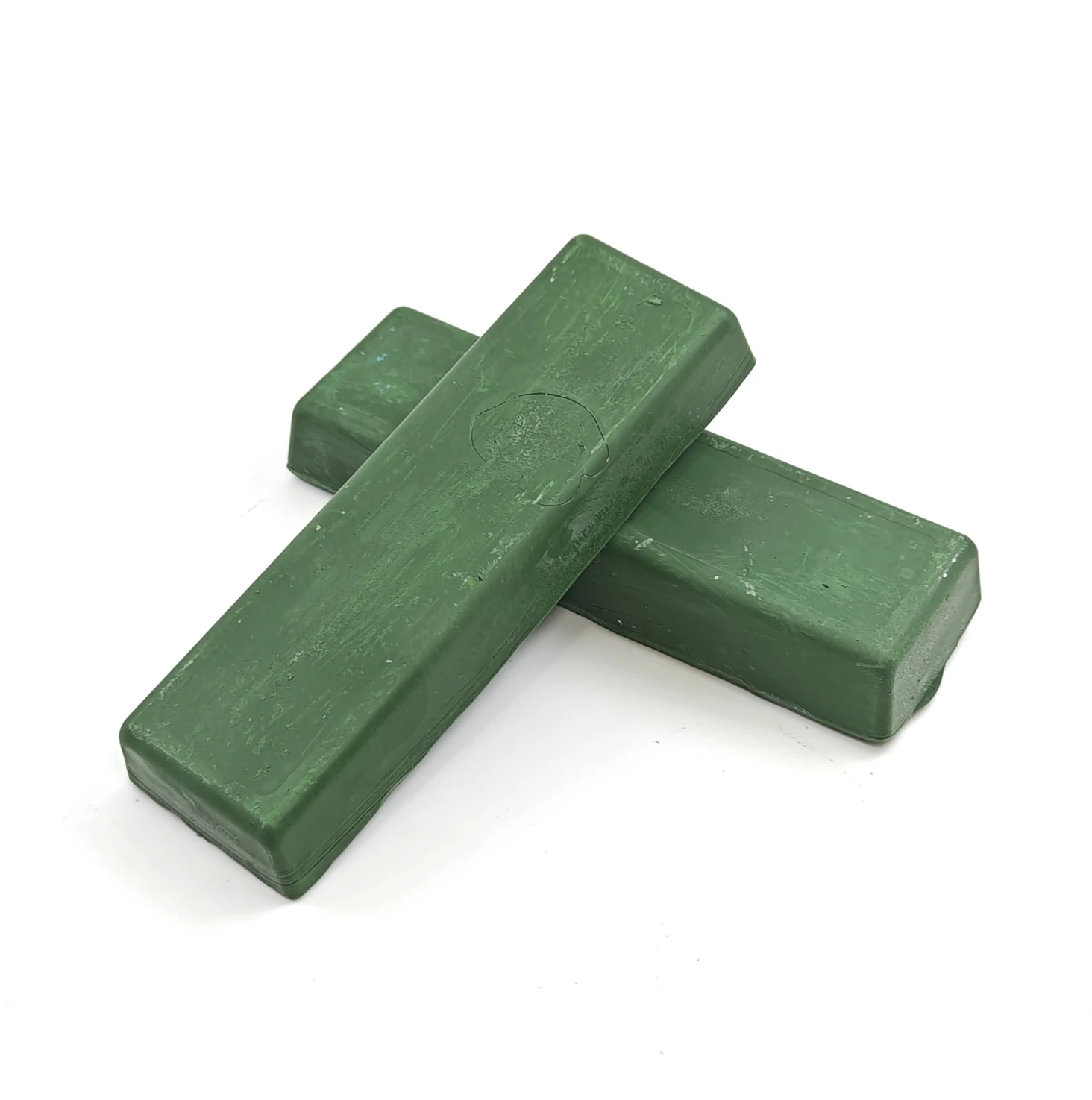 Green Solid Polishing Compound
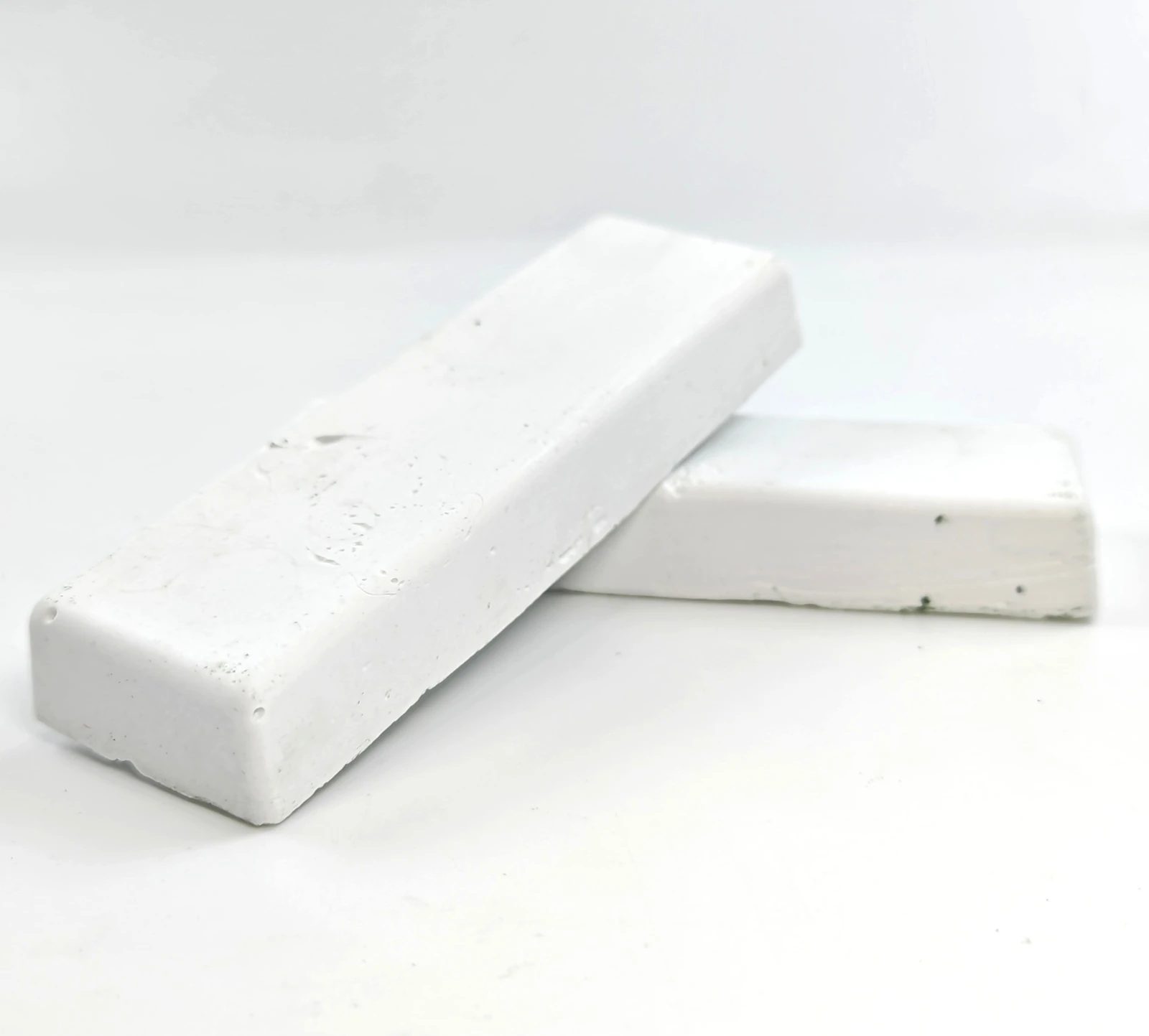 White Solid Polishing Compound
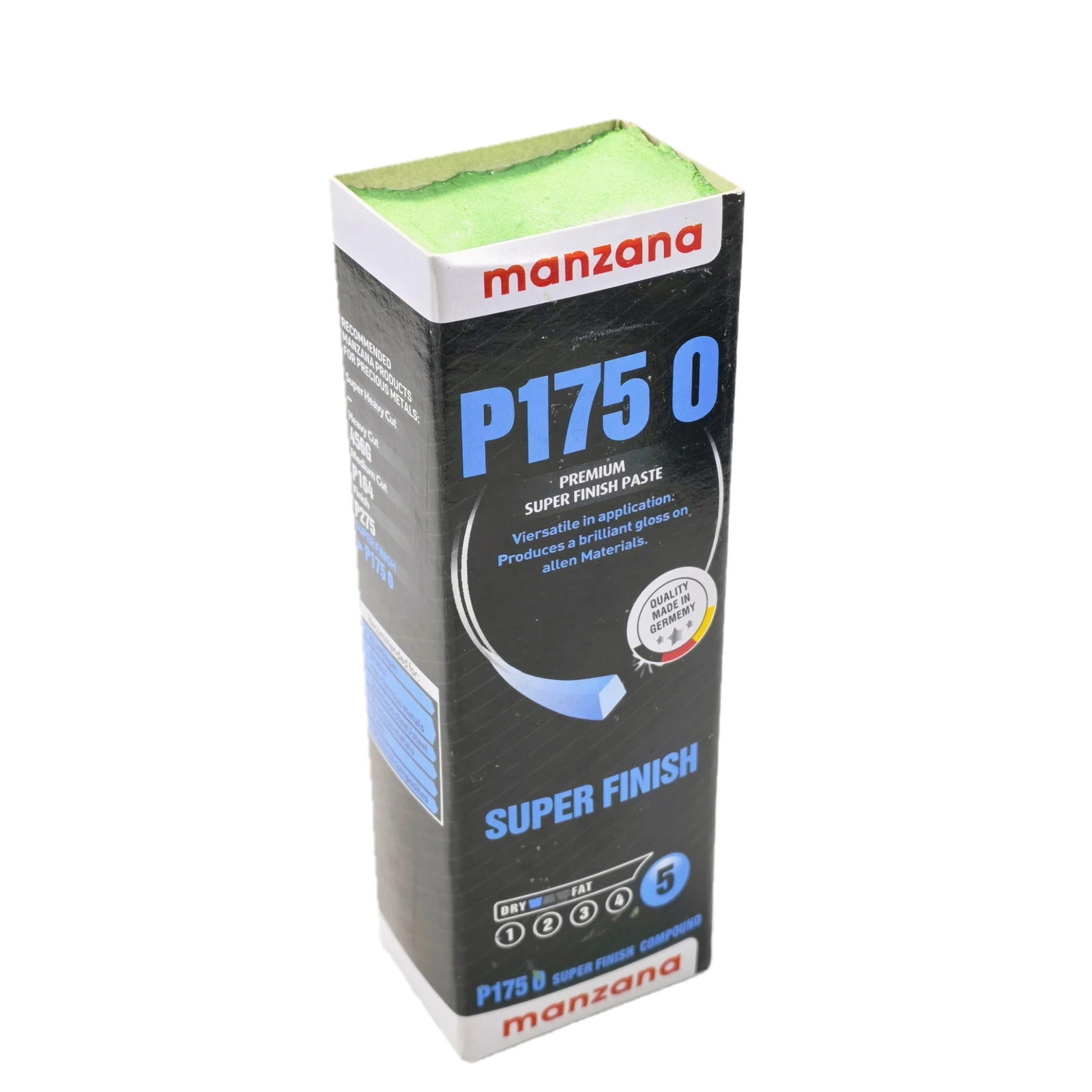 Blue P175 Solid Polishing Compound
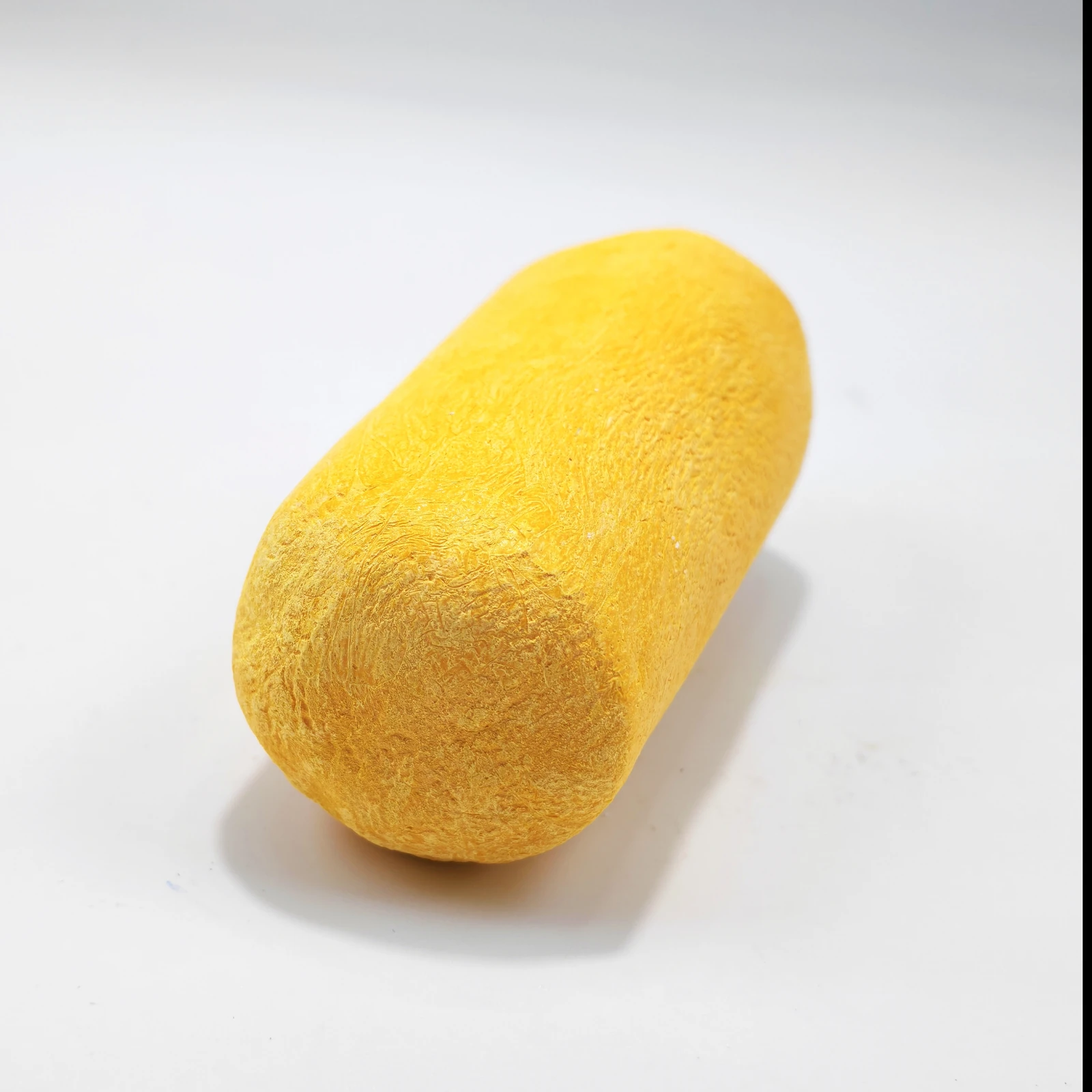 Yellow Buffing Wheel Polishing Compound
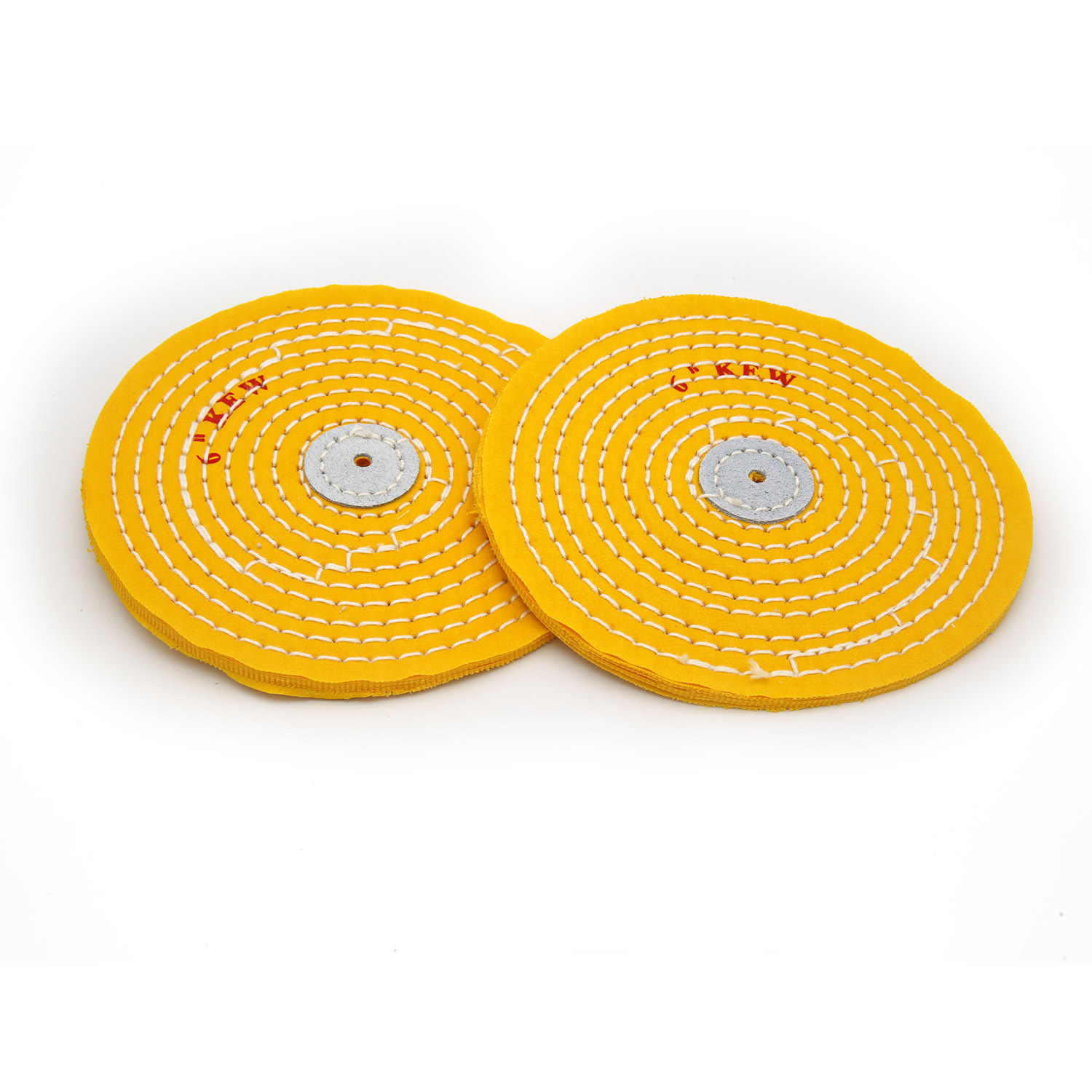 Yellow Cotton Buffing Wheel 6″x50Ply Ø150mm×12mm Spiral-Sewn
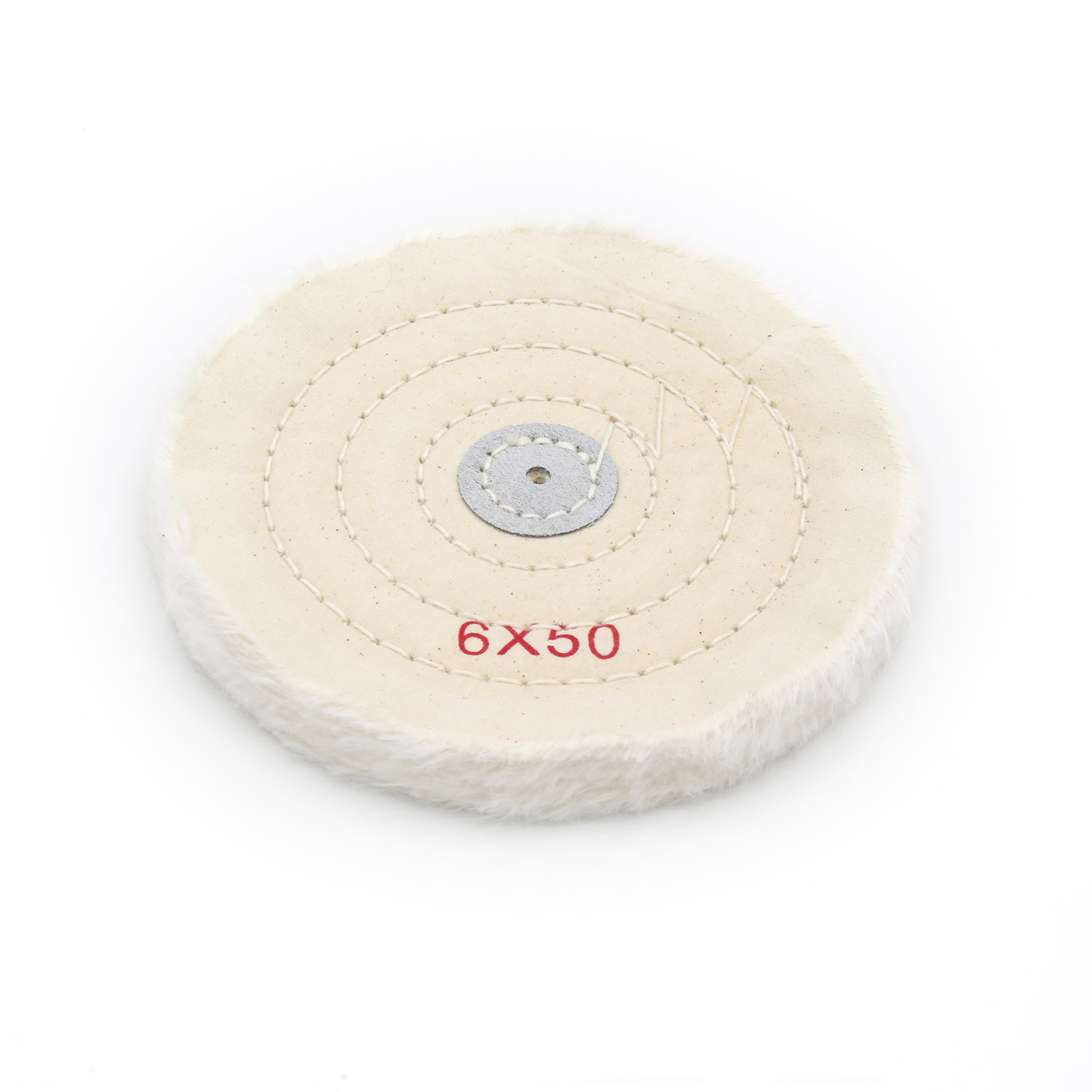 White Cotton Buffing Wheel 6″x50Ply Ø150mm×12mm with Leather Centre
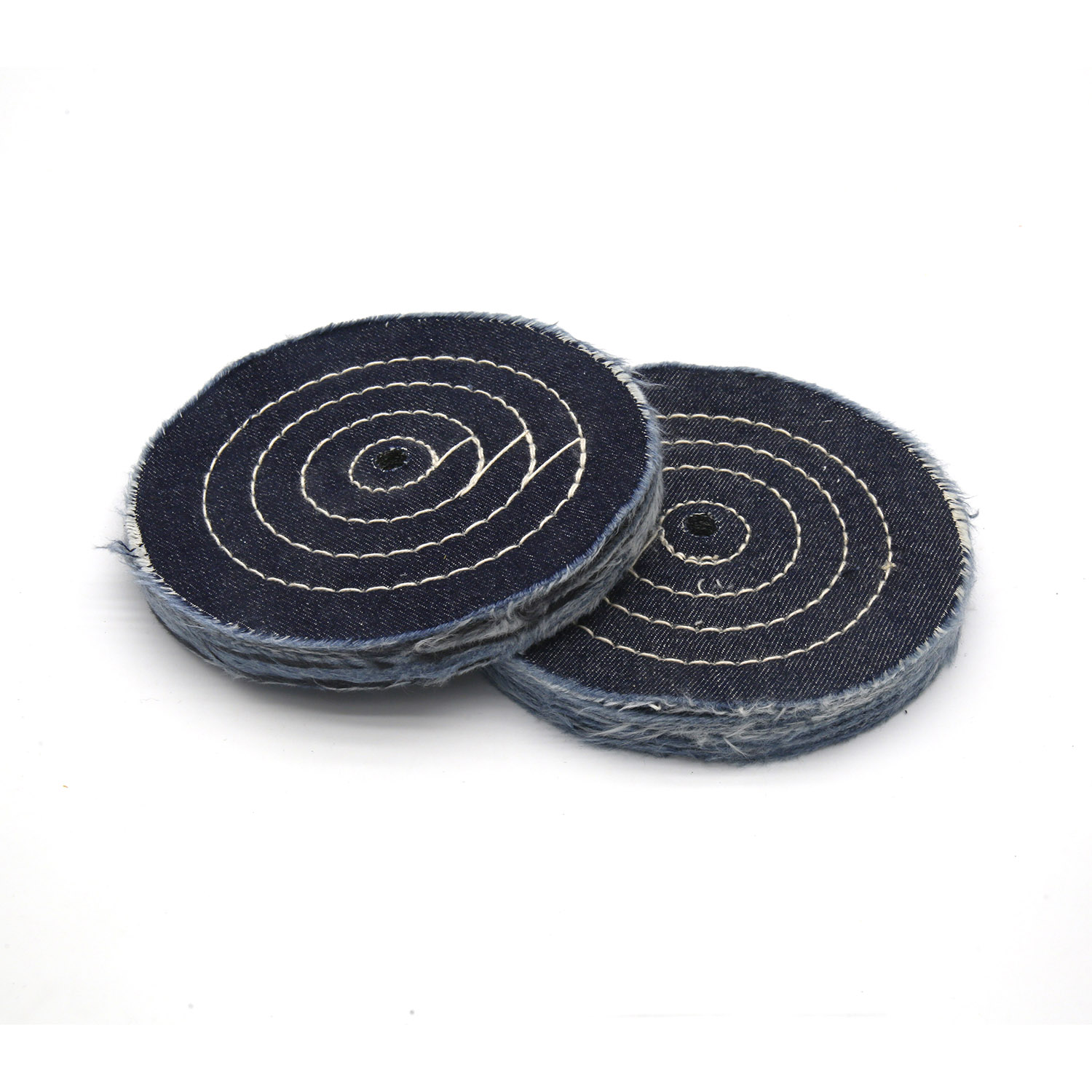 Indigo Denim Buffing Wheel Spiral-Sewn
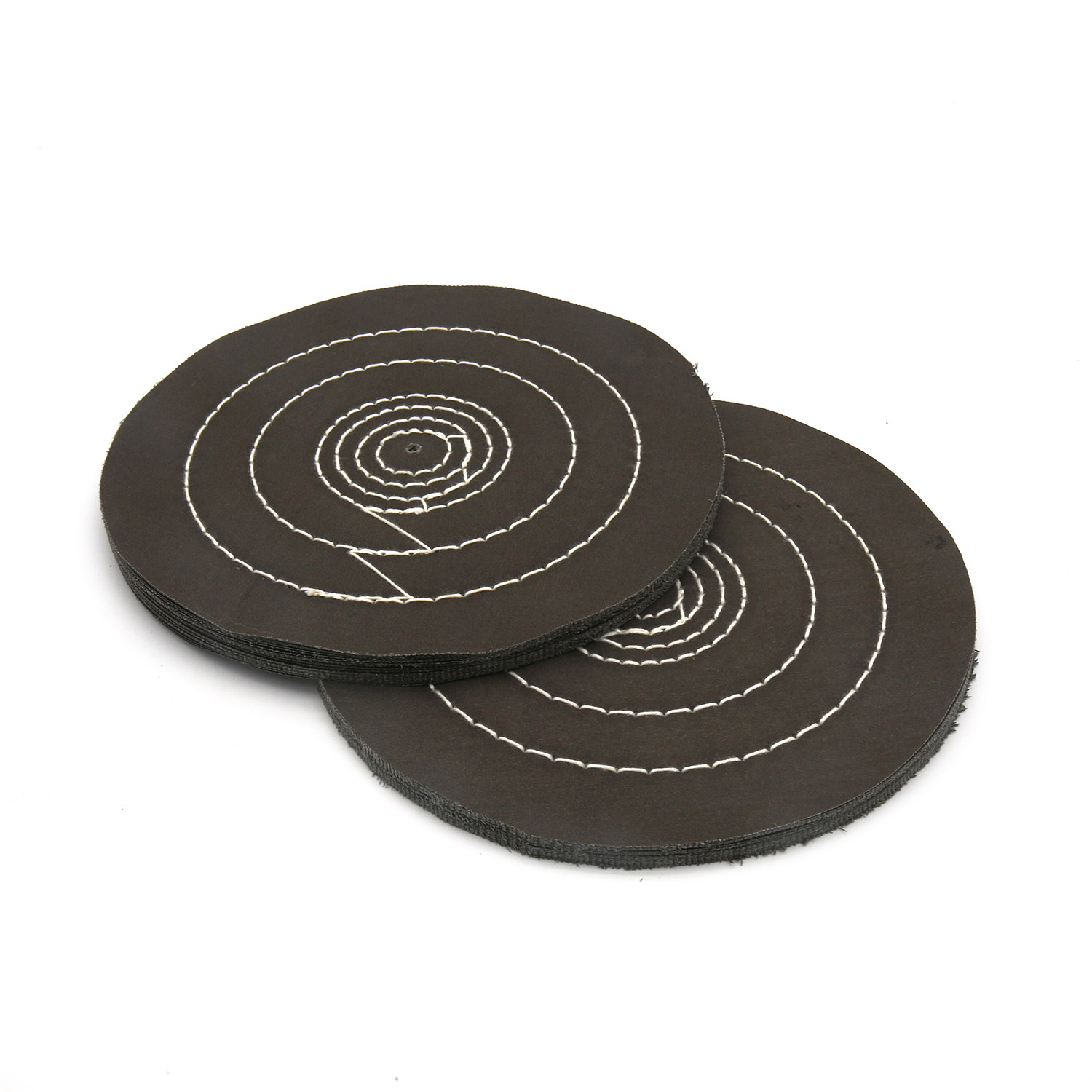 Black Hard Canvas Buffing Wheel
Discussion